You’ve probably heard that shingles protect your roof, but what about the layer underneath that nobody sees? Roofing underlayment sits between the roof deck and shingles, acting as your home’s silent guardian against moisture, heat, and ice damage. With McKees Rocks and Pittsburgh experiencing everything from humid summers to harsh winter storms, choosing the wrong underlayment can lead to leaks, mold, and voided warranties.
Gotcha Covered Contracting knows that selecting the best roof underlayment means evaluating how each material performs in our region’s unpredictable weather. In this post, we’ll break down the three main types of underlayment for Pittsburgh roofs and explain which option delivers the protection your home needs year-round.
Ready to protect your investment? Contact Gotcha Covered Contracting at (724) 581-8147 for expert guidance on selecting the right underlayment for your roof.
Understanding Felt Underlayment’s Traditional Role
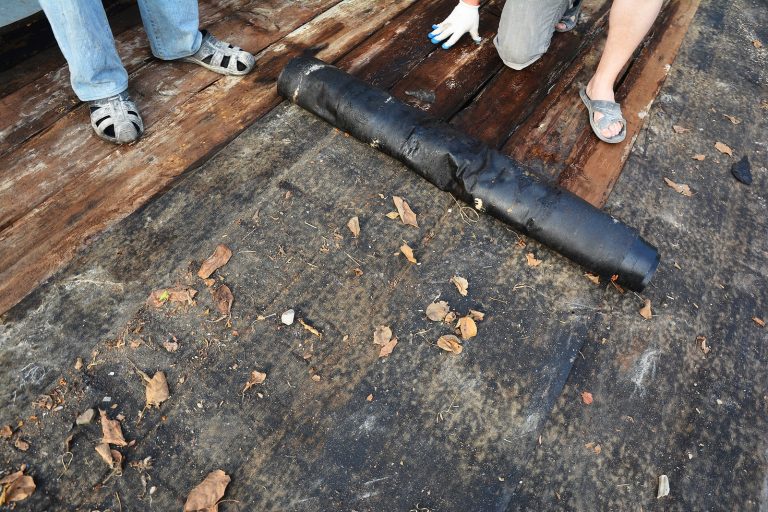
Asphalt-saturated felt has been protecting Pittsburgh homes for decades. This traditional material is available in 15 and 30 pound options, with the heavier option offering better durability. Felt costs less up front but absorbs water over time and tears more easily during installation, so this roofing underlayment in Pittsburgh isn’t suitable for all systems.
Felt typically works best on steep-slope roofs where water runs off quickly. However, this material deteriorates when exposed to UV rays during installation delays. Many homeowners choose felt for budget-conscious projects, but knowing its limitations helps you make an informed decision.
Why Synthetic Underlayment Dominates Modern Installations

Synthetic underlayment has become the climate-resilient roof underlayment of choice for Pittsburgh contractors. Made from woven polyethylene or polypropylene, this material resists tearing far better than felt. It handles UV exposure exceptionally well, keeping the roofing protected even if installation spans multiple weeks.
This underlayment choice offers several advantages for four-season climates, including:
- Superior water resistance: The material repels moisture rather than absorbing it, helping prevent deck rot.
- Lightweight installation: Synthetic rolls weigh less than felt, making them safer for crews to handle.
- Extended exposure rating: You can leave synthetic underlayment exposed for up to six months.
- Non-slip surface: The textured finish provides installers with better footing in wet conditions.
Most premium shingle manufacturers require synthetic underlayment to honor their extended warranties. If you’re investing in high-quality shingles, pairing them with synthetic decking makes financial sense.
Want to maximize your roof’s warranty protection? Call Gotcha Covered Contracting at (724) 581-8147 to discuss underlayment for four-season climate conditions.
Ice and Water Shields: Critical Protection for Vulnerable Areas

Ice and water shields represent the premium tier of underlayment for Pittsburgh roofs. This rubberized, self-adhering membrane creates a 100% waterproof seal around nail penetrations. Pittsburgh’s freeze-thaw cycles create ice dams that force water under shingles, making this product essential in specific locations.
You need ice and water shields in these high-risk zones:
- Eaves and valleys where water accumulates
- Around chimneys, skylights, and vent pipes
- Along rake edges on homes with minimal overhang
The self-sealing properties mean this material repairs itself around fasteners, eliminating common leak points. Building codes in many Pittsburgh areas now require ice and water shields along eaves, typically extending three to six feet up the roof slope. For most homes, combining an ice and water shield in critical areas with high-quality synthetic roofing underlayment in Pittsburgh across the remaining sections provides excellent protection at a reasonable price point.
Matching Underlayment to Pittsburgh’s Weather Patterns
Pittsburgh’s climate demands roofing underlayment choices that handle dramatic temperature swings and moisture extremes. Summer heat can push roof temperatures above 160 degrees, while winter brings freezing rain and heavy snow. Your underlayment must perform reliably across this entire temperature spectrum.
Synthetic underlayment handles high temperatures better than felt, maintaining its integrity without becoming brittle. During winter, its water-resistant properties prevent moisture from penetrating your deck when ice dams form. Consider your roof’s orientation when selecting materials, as south-facing slopes receive more sun exposure while north-facing sections experience more ice accumulation.
Expert Roofing Underlayment Solutions from Gotcha Covered Contracting
Understanding the best roof underlayment for your home protects your investment and prevents costly repairs down the road. At Gotcha Covered Contracting, we evaluate your specific roof design, budget considerations, and long-term goals to recommend the ideal combination of materials. Our team has installed countless roofs across McKees Rocks and Pittsburgh, PA, giving us firsthand knowledge of how different underlayment types perform in our unique climate.
Contact Gotcha Covered Contracting today at (724) 581-8147 to schedule your free consultation regarding roofing underlayment in Pittsburgh or McKees Rocks and discover how proper material selection extends your roof’s lifespan.