Quotes for a new asphalt shingle roof in Pittsburgh are coming in around $14,000 to $22,000 in 2026 for a standard 2,000 square foot home.
Average lands around $17,000.
That works out to $7 to $11 per square foot installed, or about $850 per square (100 sq ft).
If you’re getting numbers that seem wildly different, say $10,000 from one contractor and $23,000 from another, it’s almost never that one of them is ripping you off. It’s that they’re quoting different scopes. Tear-off vs overlay, standard architectural vs Class 4, code-minimum ice and water shield vs the good install. We’ll break it down so you can read any Pittsburgh roofing quote and know exactly what you’re paying for.
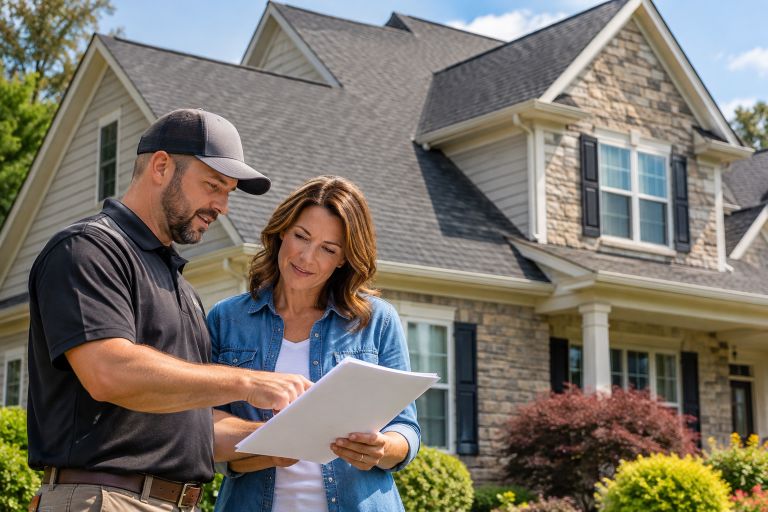
Want a real number for your specific Pittsburgh roof? Call us at (724) 581-8147 or book a free inspection online. We’ll walk the roof, check the attic, and write you a real line-itemed quote within 48 hours.
What Pittsburgh Roofs Actually Cost in 2026
| Roof Size | Asphalt Shingle | Class 4 Impact-Resistant | Metal |
|---|---|---|---|
| 1,500 sq ft | $10,000 to $16,000 | $13,000 to $20,000 | $17,000 to $26,000 |
| 2,000 sq ft | $14,000 to $22,000 | $17,000 to $26,000 | $22,000 to $35,000 |
| 2,500 sq ft | $17,000 to $28,000 | $20,000 to $33,000 | $28,000 to $44,000 |
| 3,000+ sq ft | $22,000 to $35,000 | $26,000 to $42,000 | $35,000 to $54,000 |
The ranges within each row depend on shingle quality, roof complexity (number of valleys, chimneys, dormers), how steep the pitch is, and whether we find rotten decking when the old shingles come off.
If you only need a smaller fix instead of a full reroof, see what roof repair actually costs in Pittsburgh.
Shingle Tier: Where Most of the Money Goes
- 3-tab: $5 to $7 per square foot installed. Cheap, 20-25 year warranty, basic look. We don’t install many anymore.
- Architectural: $7 to $11 per square foot installed. The Pittsburgh default. Architectural asphalt shingles carry a 30-year warranty, better wind rating, and dimensional shadow lines.
- Class 4 impact-resistant: $9 to $14 per square foot installed. Built to take 2-inch hail without damage in lab testing. Some Pennsylvania insurance carriers offer discounts on the wind/hail portion of your premium for Class 4.
- Designer/luxury asphalt: $10 to $15 per square foot installed. Slate-look and shake-look profiles.
- Metal: $12 to $20 per square foot installed. A standing-seam metal roof lasts 40 to 70 years, handles hail far better than asphalt, and costs more day one.
- Slate (real): $30 to $50+ per square foot installed. Some historic Pittsburgh neighborhoods (Shadyside, Squirrel Hill, Mt. Lebanon) have homes that effectively require slate to match.
Why Pittsburgh Costs Move Around So Much
The Pittsburgh metro has a weirdly wide spread of housing stock. A 2,000 sq ft ranch in Cranberry or the North Hills is a fairly simple roof. A 2,000 sq ft Victorian in Highland Park or Shadyside has dormers, multiple chimneys, complex valleys, and steep pitches that need fall protection. Same square footage, very different jobs. Complex Pittsburgh roofs can cost 25 to 40% more per square foot than simple ones.
What Drives Your Specific Quote Higher (or Lower)
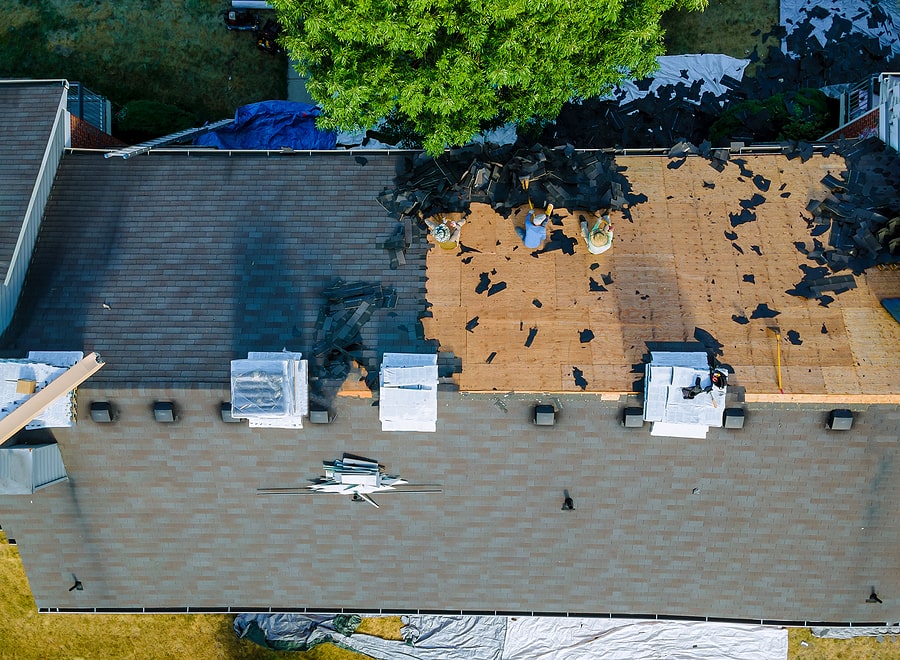
Tear-off vs overlay. Pennsylvania code allows up to two layers, but a single-layer tear-off is the better long-term move. Tear-offs cost $1 to $2 more per square foot but expose the deck for inspection.
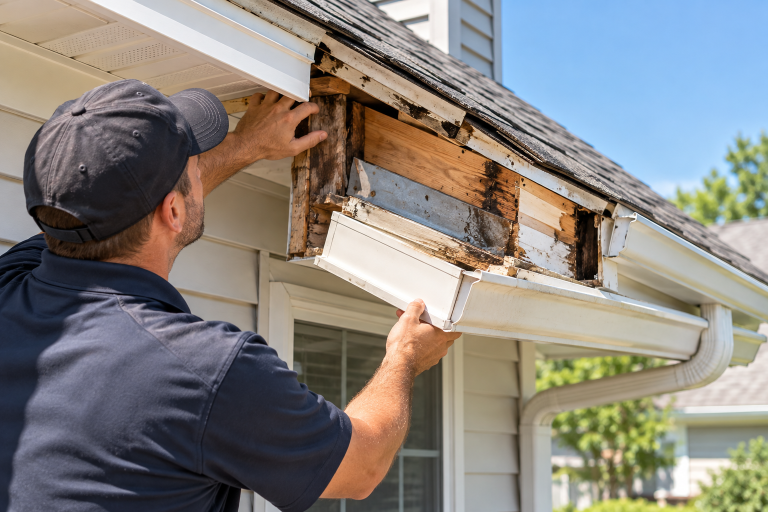
Deck rot. Once the shingles come off, the deck might need patching. Budget $2,000 to $6,000 if we find rot, especially around chimneys and valleys. Pittsburgh’s freeze-thaw cycling is hard on decks. Older South Side and North Side homes are particularly likely to have moisture damage to the original 1×6 plank decking.
Ice and water shield. Pittsburgh sits in the ice dam belt.
Pennsylvania code requires it at the eaves, but a quality install extends it 6 feet up instead of the bare-minimum 2 feet. Worth every dollar in our climate.
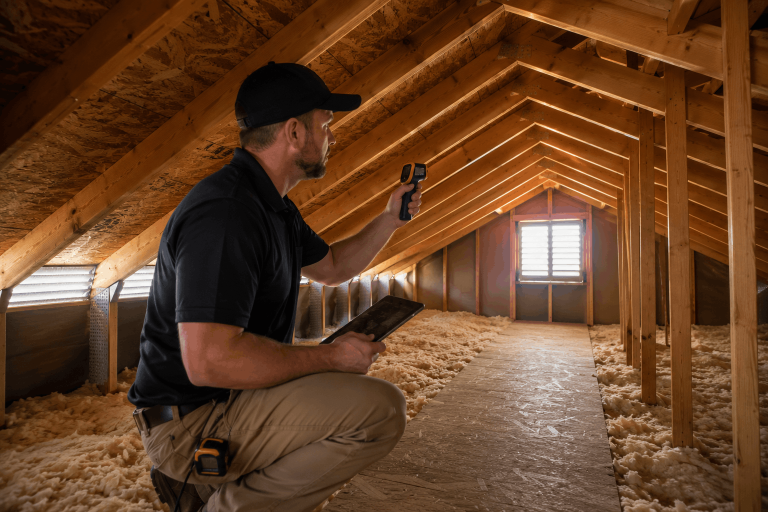
Ventilation upgrades. Most Pittsburgh homes built before 1970 have inadequate attic ventilation. Adding ridge and soffit vents during the reroof runs $800 to $2,500 and dramatically extends shingle life.
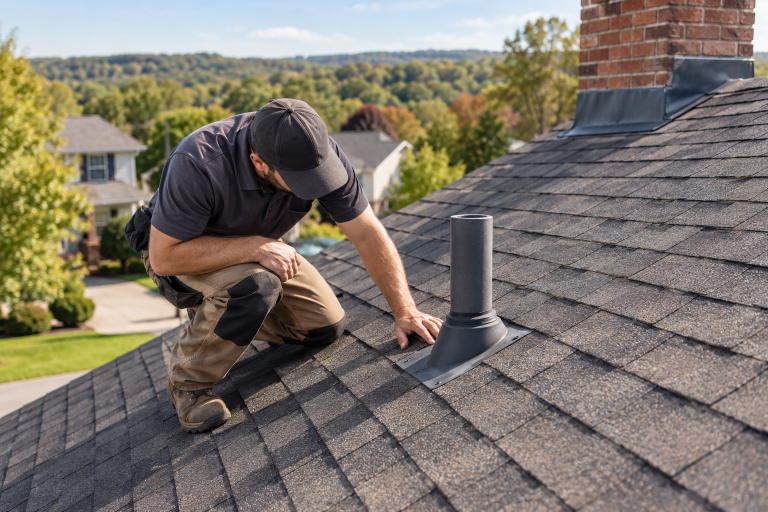
Steep pitch and fall protection. Pittsburgh’s steep-pitch row houses and Victorians require additional safety equipment and longer install time, both of which push the per-square-foot cost up.
Gutters. $1,800 to $5,000 if you bundle them in. Some quotes include, some don’t.
Why So Many Pittsburgh Homeowners Go Class 4
Pennsylvania doesn’t see the volume of hail Nebraska does, but the metro sees enough severe weather that Class 4 makes sense for some homeowners. The cost premium runs $2 to $3.50 per square foot above standard architectural shingles. On a $17,000 reroof, that’s about $2,500 to $4,500 more upfront. Some insurance carriers offer 5 to 15% premium discounts, and the shingles handle wind better too.
Insurance Reroofs in Pittsburgh
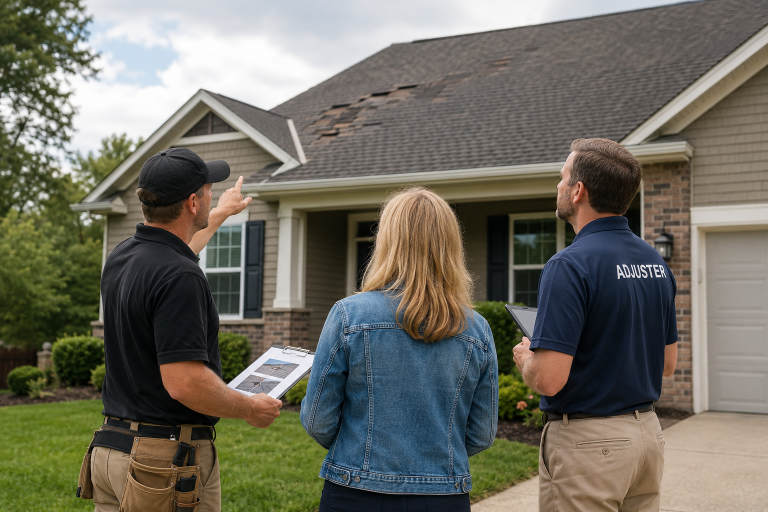
A meaningful chunk of Pittsburgh reroofs go through insurance after a major wind, hail, or fallen-tree event. The process: storm hits, you file, adjuster inspects, adjuster writes the scope, you pick a contractor, contractor supplements anything missing, you pay your deductible, insurance covers the rest.
After major Pittsburgh storms, stick with a local Pennsylvania contractor. Out-of-state crews flood the neighborhoods, promise to “handle everything,” and vanish within a year leaving warranty issues with nobody to call.
Quick Answers
How long does the install take? 1 to 3 days for most Pittsburgh homes. Bigger or more complex roofs (Victorians, slate, multiple dormers) run 4 to 10 days. Weather adds time.
Best time of year to reroof in Pittsburgh? April through October. Asphalt seals best above 45°F. Winter installs work but need hand-sealing.
How long do shingles actually last in Pittsburgh? Architectural shingles are warranted 30 years. Real-world Pittsburgh lifespan is more like 18 to 25 years because of freeze-thaw cycling and urban acid rain.
How do I get an accurate quote? Get three estimates from local Pennsylvania contractors, all with the same scope (tear-off vs overlay, shingle tier, ice and water shield coverage, ventilation, gutters). If the quotes are wildly different, the scopes are different. Every Gotcha Covered Contracting quote is line-itemed for apples-to-apples comparison.
Here’s what a real professional inspection actually covers so you can compare apples to apples.
Why Pittsburgh Homeowners Hire Us
Gotcha Covered Contracting is a locally owned Pittsburgh residential roofing contractor. Our crews live in Allegheny County. GAF and Owens Corning certified, fully licensed and insured. The crew that installs your roof is reachable through the same office and same phone number for the warranty period. We don’t sub out to storm chasers.
Get a Real Pittsburgh Quote
If you’re sizing up a roof replacement, the most useful next step is a free inspection.
We come out, walk the roof and attic, and put a real number on it.
No high-pressure sales, no door-knocking tactics.
Two easy ways to get started:
We service Pittsburgh and Allegheny County, including Mt. Lebanon, Squirrel Hill, North Hills, South Hills, Cranberry, Sewickley, Highland Park, and the surrounding communities.