You just invested thousands of dollars in a new roof, and you assume your warranty protects you from any future problems. But when issues arise, you discover that many common roof problems fall outside of your roof warranty coverage. Understanding these limitations helps you avoid costly surprises and protect your investment.
Gotcha Covered Contracting works with homeowners throughout McKees Rocks and the Pittsburgh area, to explain what roof warranties cover and what they don’t. This guide breaks down the difference between manufacturer and workmanship warranties and explains what voids roof warranty protection.
Ready to review your roof’s warranty coverage? Call Gotcha Covered Contracting at (724) 581-8147 to schedule a consultation and maintenance plan review.
Two Types of Warranties Protect Your Roof

Most new roofs come with two separate warranties that cover different aspects of your roofing system. The manufacturer’s warranty protects against defects in the roofing materials themselves. This warranty typically lasts 25 to 50 years and covers issues like premature cracking, blistering, or granule loss caused by manufacturing flaws.
The contractor’s workmanship warranty covers installation errors that affect your roof’s performance. This is the warranty your roofing contractor provides, not the manufacturer. Workmanship warranties typically last between 1 and 10 years, depending on the contractor.
What Roof Warranties Cover (and Don’t Cover)
Understanding roof warranty terms requires knowing exactly what protection each warranty provides. Your roof warranty coverage from the manufacturer typically includes:
- Defective roofing materials caused by manufacturing flaws
- Premature material failure before the expected lifespan
- Replacement materials for defective shingles or components
Most basic manufacturer warranties don’t cover labor costs to remove and replace defective materials. You pay for the installation work even when the manufacturer provides free replacement shingles. Some enhanced warranties include labor coverage during an initial period, but this protection decreases over time.
Workmanship warranties cover installation errors such as improper nailing, flashing errors, or underlayment issues. They don’t cover material defects or storm damage.
Want to understand your specific warranty protection? Contact Gotcha Covered Contracting at (724) 581-8147 for a detailed warranty review.
Roof Warranty Exclusions Explained

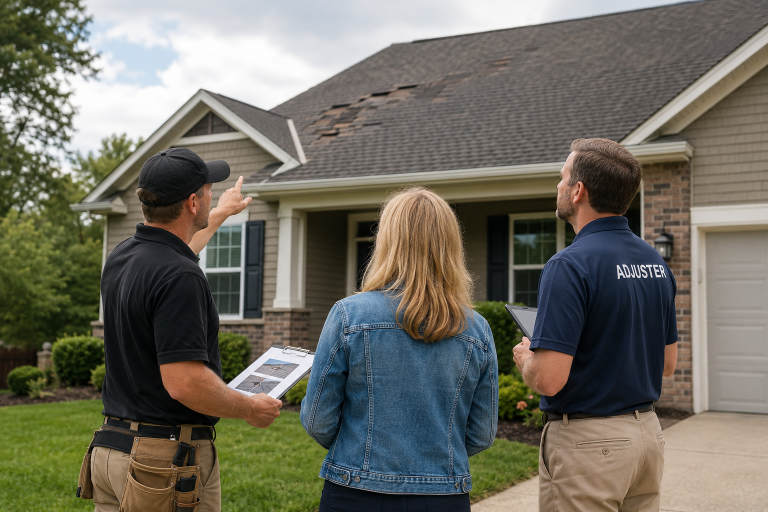
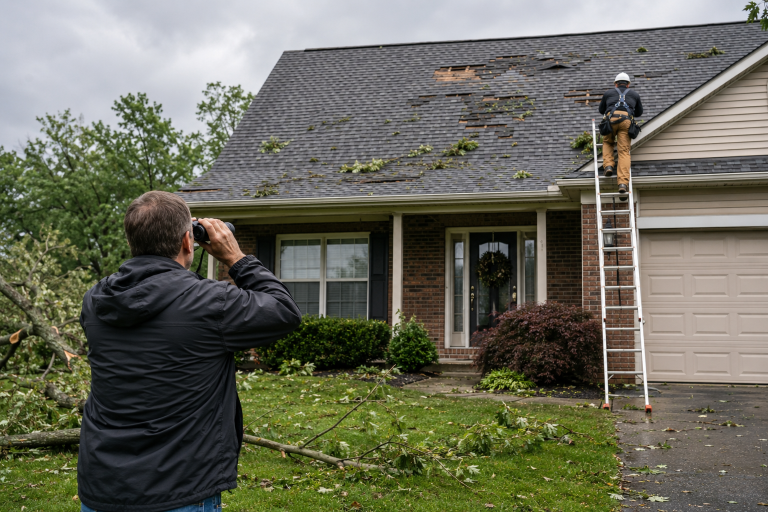
Most homeowners don’t realize how many everyday problems fall under warranty exclusions; weather damage tops the list. Standard warranties don’t cover roof damage from hail, wind damage beyond specified limits, and falling tree branches. Your homeowner’s insurance typically handles these situations instead.
Improper installation voids manufacturer warranties as well. Manufacturers require contractors to follow specific installation guidelines. When contractors ignore these requirements, manufacturers refuse coverage because their materials didn’t fail.
Poor ventilation represents another surprising exclusion. Inadequate attic ventilation causes heat and moisture buildup, which can prematurely damage shingles. Manufacturers won’t cover this damage because proper ventilation is essential for an appropriate installation of a roofing system.
Other roof warranty coverage versus limitations issues include impact damage from walking on the roof and satellite dish installations. Even pressure washing your roof can void your warranty, as this may remove the protective granules.
What Voids Roof Warranty Protection
Several maintenance issues can invalidate your warranty coverage completely. Lack of regular maintenance is one of the most common problems here.
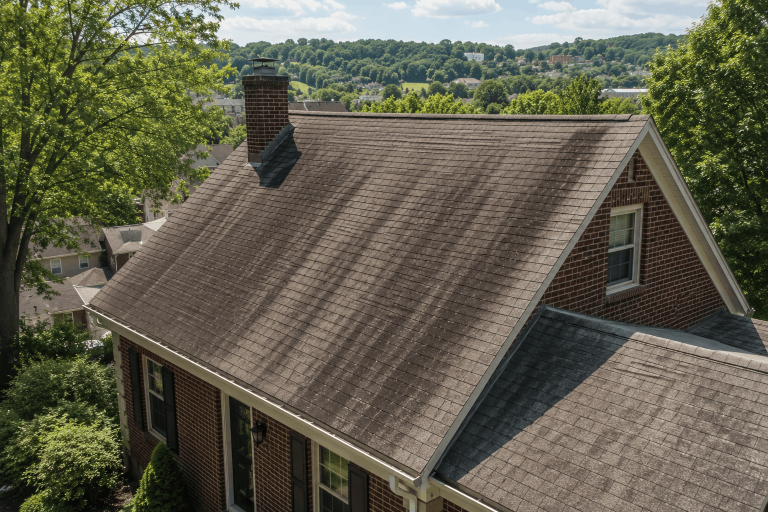
You must clear debris, such as leaves and pine needles, that retain moisture and accelerate shingle deterioration. Some manufacturers require annual inspections as well.
Using non-approved products during installation or repairs can void enhanced warranties. Many manufacturers require you to use their complete roofing system. Installing components from different manufacturers or using them for repairs might disqualify you from premium coverage.
Hiring unauthorized contractors for repairs represents another warranty killer. If you allow non-certified contractors to work on your roof, you may void your warranty. Always verify contractor certifications before approving any roof work.
Protecting Your Warranty Investment
Reading your warranty documents carefully helps you maintain valid coverage throughout your roof’s lifespan. Most “lifetime” warranties cover you for as long as you own your home, with a maximum duration of 50 years.
Keep detailed records of your roof installation, maintenance, and inspections. Store copies of your original contract, warranty certificates, roof inspection reports, and maintenance receipts in a safe location.
Gotcha Covered Contracting Helps You Maximize Your Warranty Protection
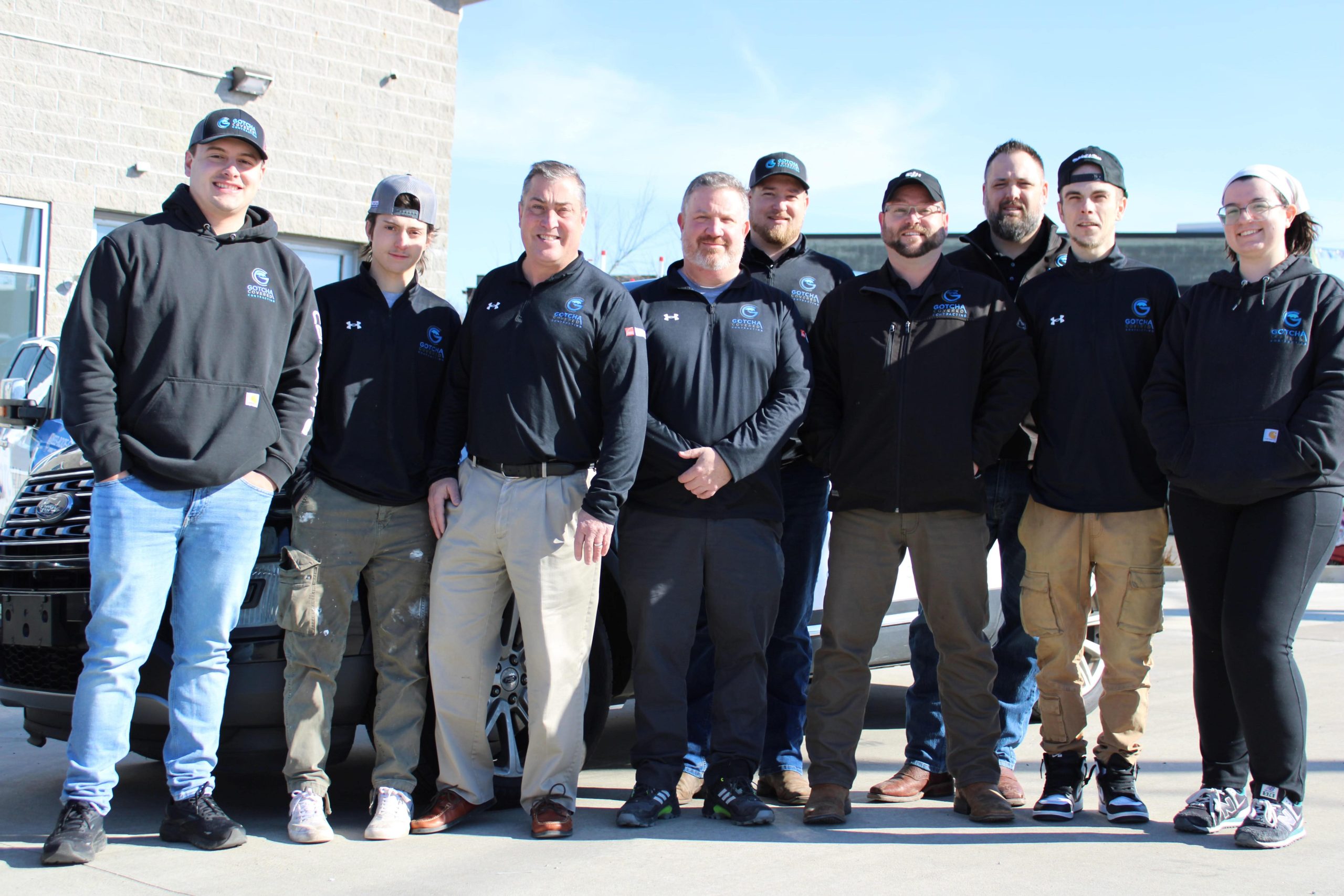
We’ve explained what roof warranties cover, common exclusions, and what voids your coverage. Understanding these details helps you make informed decisions and avoid situations that invalidate your protection. At Gotcha Covered Contracting, we provide transparent warranty information and proper installations that maintain your manufacturer’s coverage.
Call Gotcha Covered Contracting at (724) 581-8147 to discuss your roof warranty coverage or to schedule a maintenance consultation in McKees Rocks or Pittsburgh, PA.