A roofing problem can make a homeowner assume the most expensive outcome. A leak appears, shingles look worn, or a contractor points out storm damage, and the conversation quickly turns toward replacement.
A full roof replacement may be appropriate in some situations, but age alone does not determine the answer. A roof that is less than 20 years old may still have repairable life left. A newer roof can also have serious problems if it was installed poorly, damaged by severe weather, or affected by moisture and ventilation issues.
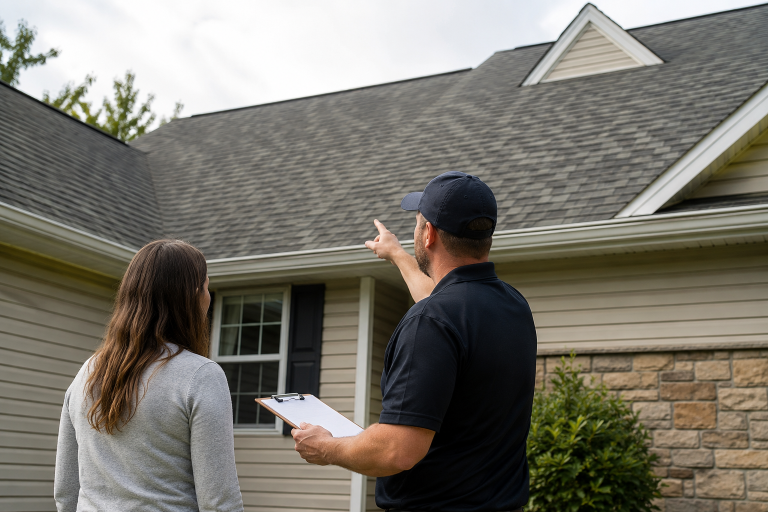
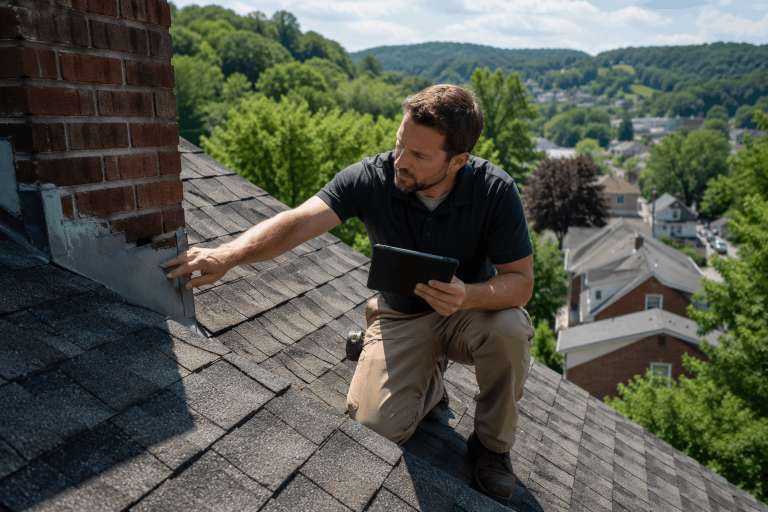
The right recommendation should come from a thorough inspection of the complete roofing system. That includes the shingles, flashing, penetrations, drainage, roof deck, attic conditions, ventilation, previous repairs, and the pattern of any damage.
For homeowners near Robinson Township and throughout Western Pennsylvania, that distinction matters. Replacing a roof before it is necessary can be a major avoidable expense. Continuing to repair a roof that is failing as a system can also cost more over time. An honest inspection should help separate those two situations and explain the reasoning clearly. This approach reflects Gotcha Covered Contracting’s focus on education, honest inspections, and helping homeowners understand what their property actually needs.
A roof under 20 years old does not automatically need replacement. Its condition, installation quality, flashing, roof deck, attic ventilation, storm exposure, and repair history matter more than age alone. A thorough inspection can determine whether damage is isolated and repairable or part of a wider roofing-system failure.
Roof Age Is a Starting Point, Not a Diagnosis
Homeowners are often asked one question first: How old is the roof?
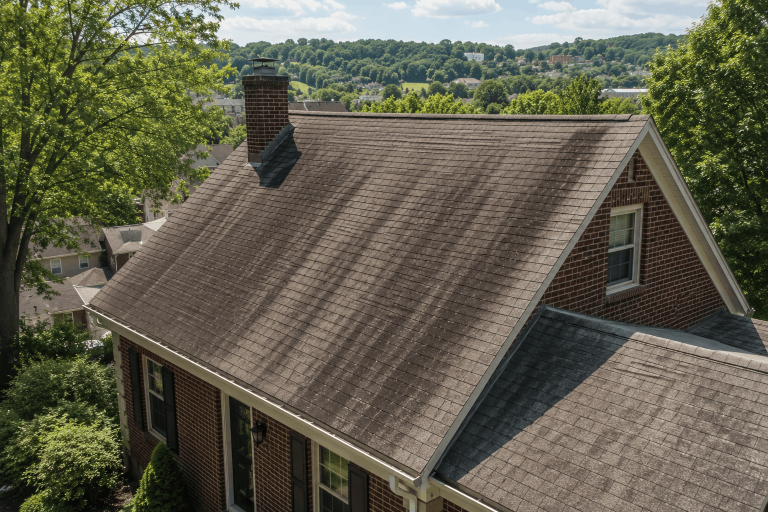
That information is useful, but it should not be treated as the final answer. Two roofs installed in the same year can be in very different condition. One may have been installed carefully, maintained properly, and protected by effective attic ventilation. The other may have installation defects, repeated storm exposure, moisture problems, poor drainage, or several temporary repairs.
Material also matters. Asphalt shingles, metal roofing, slate, cedar shake, and other systems age differently. Roof slope, sun exposure, surrounding trees, ventilation, workmanship, and local weather can all affect performance.
A contractor should therefore use age as one part of the inspection rather than as an automatic reason to recommend replacement.
A 12-year-old roof with an isolated flashing problem may be a good repair candidate. A roof of the same age with widespread installation defects, damaged decking, repeated leaks, and significant ventilation problems may require a broader solution. A roof approaching 20 years old may still be serviceable if its materials and supporting components remain in good condition.
The goal is not to apply a simple age cutoff. The goal is to determine how the roof is performing now.
What a Thorough Roof Inspection Should Evaluate
A useful roof inspection should look beyond the most visible shingles. A roof is a connected system, and a problem in one component can affect several others.
Gotcha Covered Contracting’s roof inspection service in Pittsburgh and surrounding communities describes an evaluation that may include shingles, flashing, chimneys, downspouts, gutters, and attic areas. Each of these components can provide important evidence about whether a repair or replacement may be appropriate.
Shingle Condition
Shingles should be checked for missing sections, cracks, curling, lifting, impact marks, exposed fasteners, broken seals, and unusual granule loss.
The pattern matters as much as the individual defect. A few damaged shingles in one area may support a targeted repair. Similar damage across multiple slopes may indicate a wider problem.
Shingle appearance must also be interpreted carefully. Some visible wear is cosmetic. Other conditions may affect the roof’s ability to shed water. A knowledgeable inspector should explain the difference instead of simply labeling the roof as old or damaged.
Flashing and Roof Penetrations
Many leaks begin around areas where the roof changes direction or where another feature passes through it. Chimneys, plumbing vents, skylights, dormers, sidewalls, valleys, and roof-mounted equipment all require careful water-management details.
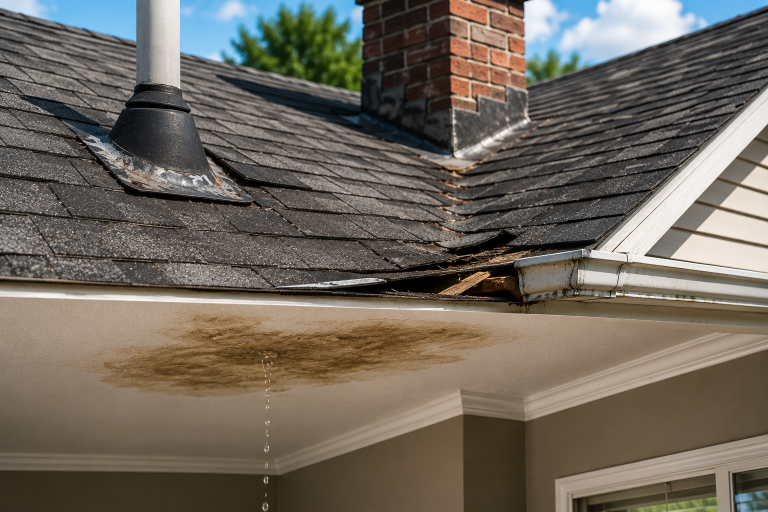
Damaged, missing, reused, or poorly installed flashing can allow water beneath otherwise serviceable shingles. In that situation, replacing the affected flashing or repairing a limited area may solve the problem.
This is one reason a leak should not automatically trigger a replacement recommendation. Gotcha Covered Contracting’s article about why roof leaks are not always located directly above the visible water stain explains how water can travel along decking, framing, insulation, or wall cavities before appearing inside.
Previous Repairs
An inspector should identify earlier patches and determine whether they were completed properly.
A professional repair can extend the useful life of a roof. Repeated layers of sealant, mismatched shingles, exposed fasteners, or improvised flashing may only hide a continuing problem. Several failed repairs in the same area can also suggest that the original source was never properly identified.
The presence of an old repair does not automatically mean replacement is needed. It does mean the area deserves closer evaluation.
Roof Deck and Structural Conditions
The shingles are attached to the roof deck, usually plywood or oriented strand board. The deck should provide a stable base for the roofing system.
Soft areas, sagging, deterioration, or signs of prolonged moisture may indicate a concern below the surface. Some deck damage can be limited to one section and corrected during a repair. More extensive deterioration may make replacement more practical because the contractor needs access to a larger portion of the roof.
Visible sagging can also involve structural concerns that require evaluation by a properly qualified professional. A roofing contractor should not make unsupported structural claims based only on a quick exterior look.
Gutters and Drainage
Gutters and downspouts help move water away from the roof edge and foundation. Clogged, damaged, incorrectly pitched, or undersized drainage components can contribute to water backing up near eaves and roof transitions.
The roof itself may still be repairable even when drainage problems are present. Correcting the roof without addressing the water-flow issue, however, may allow the problem to return.
Why the Attic Matters to the Roof Above It
A roof inspection that ignores the attic may miss an important part of the story.
When safe and accessible, the attic can reveal water staining, wet insulation, daylight through openings, rusted fasteners, damaged decking, blocked vents, disconnected exhaust ducts, condensation, or signs of poor airflow.
Attic conditions can also help distinguish an exterior leak from moisture generated inside the home. For example, bathroom or kitchen exhaust that terminates in the attic can release humid air into the space. The United States Environmental Protection Agency advises that these exhaust systems should vent outside rather than into an attic because indoor moisture can contribute to condensation and other problems. Its guidance on controlling moisture in the home also emphasizes moving excessive moisture outside.
Ventilation should not be reduced to a quick statement that more airflow is always better. The attic and roof assembly need to be evaluated as a system. Intake and exhaust must work together, insulation should not block airflow paths, and air leakage from the living space may also need attention.
The Department of Energy’s building-science guidance explains that air sealing between the attic and conditioned living space can reduce energy loss and help prevent attic moisture problems.
Gotcha Covered Contracting provides additional local context in its guide to proper attic ventilation for Pennsylvania roofs. Western Pennsylvania homes experience humidity, winter cold, snow, ice, rain, and frequent temperature changes. Those conditions make moisture management and airflow worth examining before deciding that worn-looking shingles are the only problem.
Signs a Roof May Be a Good Candidate for Repair
A repair may be reasonable when the problem is limited and the surrounding roof remains serviceable.
Examples may include:
- A small number of missing or damaged shingles
- A cracked pipe boot
- Limited flashing damage
- One identifiable leak source
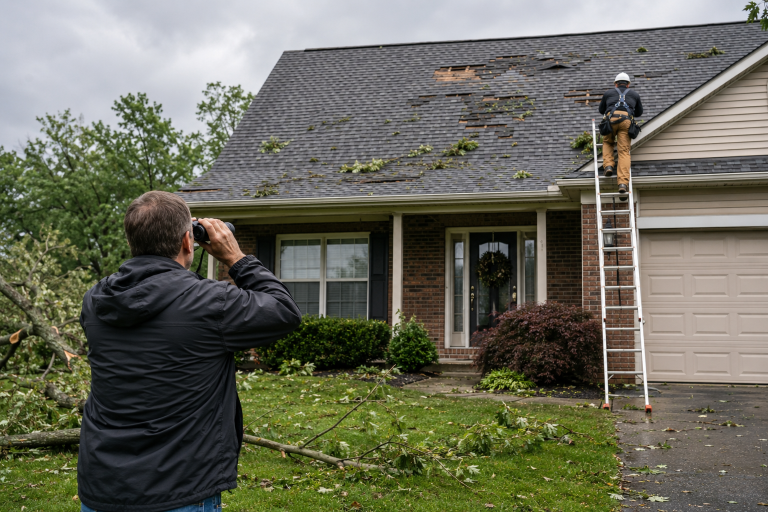
- A small section affected by wind or falling debris
- A localized gutter or drainage problem
- Minor damage around a chimney, vent, or roof transition
- A newer roof with otherwise consistent materials and installation
These conditions do not guarantee that repair is the correct answer. They indicate that repair deserves serious consideration.
The surrounding materials must be able to accept the repair. If shingles are extremely brittle, discontinued, poorly bonded, or damaged across a broad area, disturbing one section may create additional problems. A qualified inspection can help determine whether the repair can be completed responsibly.
Homeowners researching this option can review Gotcha Covered Contracting’s roof repair services for Pittsburgh and surrounding areas for more information about common repair concerns and the assessment process.
Signs Replacement May Be the More Practical Option
Replacement may make more sense when the roof is failing in several connected areas rather than at one isolated point.
Possible indicators include widespread shingle damage, repeated leaks in different locations, extensive storm damage across multiple slopes, large areas of deteriorated decking, broad installation defects, or repairs that repeatedly fail because the surrounding materials are no longer dependable.
Replacement may also be considered when several major components need to be rebuilt at the same time. If shingles, flashing, underlayment, ventilation details, and portions of the deck are all performing poorly, repairing one visible symptom may not provide a reliable result.
The recommendation should still be supported by evidence. A homeowner should be shown where the problems are, how widespread they appear to be, and why a repair may not provide a reasonable long-term solution.
Age can strengthen a replacement recommendation when it is combined with clear signs of decline. It should not stand alone as the entire explanation.
The Difference Between an Inspection and a Sales Appointment
A sales estimate and a diagnostic inspection are not always the same thing.
A sales-focused visit may be designed primarily to measure the roof, choose materials, and prepare a replacement proposal. Those steps are appropriate when replacement has already been established as the likely solution.
A diagnostic inspection begins with a different question: What is actually happening?
That process should involve observing the problem, gathering evidence, examining likely entry points, evaluating attic and ventilation conditions when appropriate, considering the roof’s age and repair history, and explaining the available options.
Homeowners should be cautious about assuming that every salesperson or project manager has the same inspection training or diagnostic experience. Job titles vary widely among contractors, and the word “inspector” does not always represent a government-issued professional credential.
Pennsylvania requires many home improvement contractors to register with the Attorney General’s Office, but registration is not the same as a specialized certification in roof diagnostics. The Commonwealth’s contractor licensing and registration guidance explains the state registration requirement.
Homeowners can ask directly about the experience and training of the person performing the inspection rather than relying on a title.
Questions to Ask Before Accepting a Replacement Recommendation
A trustworthy contractor should be comfortable explaining the evidence behind a recommendation.
Useful questions include:
- What specific condition makes you recommend replacement?
- Is the problem isolated or present across several areas?
- Could a repair be completed safely and effectively?
- What did you find in the attic?
- Is the ventilation functioning as intended?
- Are there signs of active leaking or only surface wear?
- Can you show me photographs of the affected areas?
- Did you inspect the flashing, penetrations, valleys, and roof transitions?
- Are any previous repairs contributing to the problem?
- What could happen if I choose repair instead of replacement?
- What could happen if I delay the work?
- Is your company registered to perform home improvement work in Pennsylvania?
Following major storms, Pennsylvania officials have also advised homeowners to verify a contractor’s Home Improvement Contractor registration and be cautious about unsolicited offers or pressure to sign immediately. The Pennsylvania Insurance Department’s consumer guidance after severe storms provides additional recommendations.
Clear answers do not require complicated roofing vocabulary. A homeowner should leave the conversation understanding what was found and why the proposed work fits the condition.
Why Local Experience Helps in Western Pennsylvania
Roofs near Robinson Township and across Western Pennsylvania face a varied climate. Heavy rain, wind, hail, snow, ice, humidity, falling branches, and repeated freezing and thawing can affect different parts of the roof system.
Local experience helps an inspector recognize patterns common to the region. Wind may affect exposed slopes differently from sheltered areas. Ice and drainage problems may appear near eaves or valleys. Older homes may have ventilation layouts that no longer match later insulation or remodeling work.
Gotcha Covered Contracting primarily serves homeowners within roughly a 60-mile radius of Robinson Township, with select reach into Ohio and West Virginia. The purpose of a local inspection should be to connect regional experience with the specific condition of the individual home, not to make the same recommendation for every property.
Get the Condition of the Roof Before Choosing the Solution
A roof that is less than 20 years old may need a repair, a replacement, or no immediate major work. The correct answer depends on its condition, installation, ventilation, exposure, maintenance history, and the type and extent of any damage.
Homeowners should not be pressured into replacing a roof based only on age or one visible defect. They also should not rely on repeated patches when the roofing system is showing broader failure.
An inspection should provide the evidence needed to make that distinction.
To get a clear assessment before making a major roofing decision, schedule a consultation with Gotcha Covered Contracting. The goal is to understand what the roof actually needs and discuss the most practical next step without unnecessary pressure.
Frequently Asked Questions
Does a roof under 20 years old need to be replaced?
Not necessarily. A roof under 20 years old may only need a targeted repair if the damage is isolated and the surrounding materials remain in good condition. Age should be considered with installation quality, ventilation, storm exposure, leaks, flashing, and roof-deck condition.
Can a newer roof still have serious problems?
Yes. Newer roofs can develop problems because of poor installation, severe weather, damaged flashing, inadequate drainage, moisture, blocked ventilation, or defects around penetrations. A professional inspection can help identify whether the problem is limited or widespread.
What makes a roof repairable?
A roof may be repairable when the problem is confined to a small area, the surrounding shingles remain workable, the roof deck is sound, and the source can be corrected without disturbing a large portion of the system.
When is replacement better than another repair?
Replacement may be more practical when there are repeated leaks, widespread material damage, extensive deck deterioration, problems across several roof slopes, or installation defects that cannot be corrected with a limited repair.
Why should a roof inspection include the attic?
The attic can reveal water staining, condensation, wet insulation, deck damage, blocked ventilation, air leakage, and other conditions that may not be visible from the roof surface. These findings can affect both the diagnosis and the recommended solution.
Is every roofing salesperson a certified roof inspector?
No. Titles, training, and certifications vary by company and individual. Homeowners should ask about the inspector’s experience, training, diagnostic process, and whether the contractor is properly registered to perform home improvement work in Pennsylvania.
Should I get another opinion before replacing my roof?
A second opinion may be worthwhile when the first recommendation is based mainly on age, comes without photographs or a clear explanation, or does not address whether repair is possible. Major home decisions should be supported by understandable evidence.
Will insurance pay for a roof replacement?
Your insurance carrier makes coverage decisions based on the policy and documented circumstances. A contractor cannot promise approval. A professional inspection can help identify and document visible damage, but it does not guarantee coverage.