One question comes up often: should your roofing contractor be there when the insurance adjuster inspects the property?
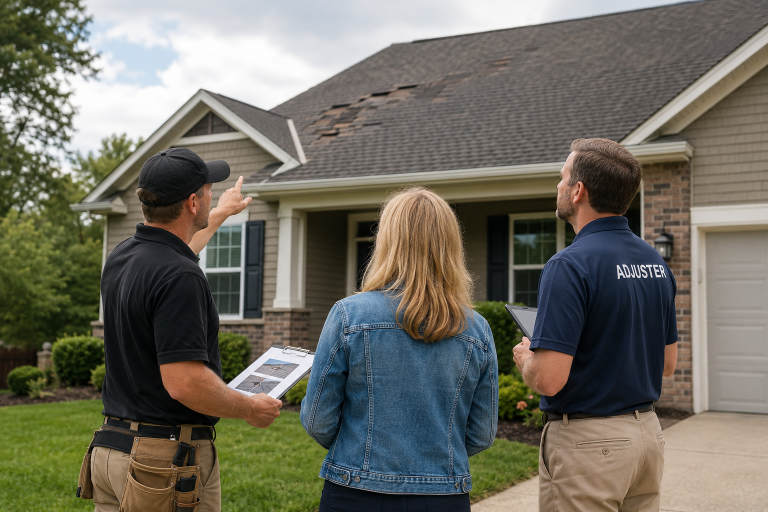
In many situations, having an experienced contractor present can be useful because the contractor and the insurance adjuster have different responsibilities. The adjuster evaluates the loss for the insurance carrier. The contractor evaluates the physical condition of the property and determines what work may be necessary to repair or restore it.
That does not mean the contractor controls the insurance claim. They do not.
A contractor cannot decide what your policy covers, force an insurance company to approve specific work, or guarantee the outcome of a claim. What a contractor can do is document visible damage, explain construction concerns, provide an estimate, and help make sure relevant property conditions are brought to the adjuster’s attention.
For homeowners around Robinson Township and throughout Western Pennsylvania, understanding these roles before the adjuster arrives can make the process much easier to follow.
Why the Insurance Adjuster and Contractor Have Different Roles
An insurance adjuster evaluates a property loss on behalf of an insurance company. According to the Pennsylvania Insurance Department, insurance company adjusters may be employees of the insurer or independent adjusters hired by the insurer. Their responsibility is connected to evaluating and settling the insurance claim.
A roofing contractor has a different job. The contractor evaluates the property from a construction and restoration perspective.
That distinction matters.
The contractor may be looking at questions such as:
- Which shingles or roofing components show visible damage?
- Are flashing, vents, gutters, siding, or other exterior materials affected?
- Can the damaged area reasonably be repaired?
- Are there conditions that could affect how the repair must be completed?
- What labor and materials may be necessary?
- What would the contractor expect the work to cost?
The insurance carrier then makes its own determination regarding coverage based on the policy, the adjuster’s findings, documentation, and other information related to the claim.
The Pennsylvania Insurance Department specifically advises homeowners dealing with storm damage to document their losses, understand their policies, obtain repair estimates, and communicate with their insurance companies throughout the process. Its Natural Disaster Insurance Guide for Pennsylvania homeowners provides additional guidance about what to do after property damage.
Why Having Your Contractor at the Adjuster Inspection Can Help
Think of the contractor as another experienced set of eyes on the property.
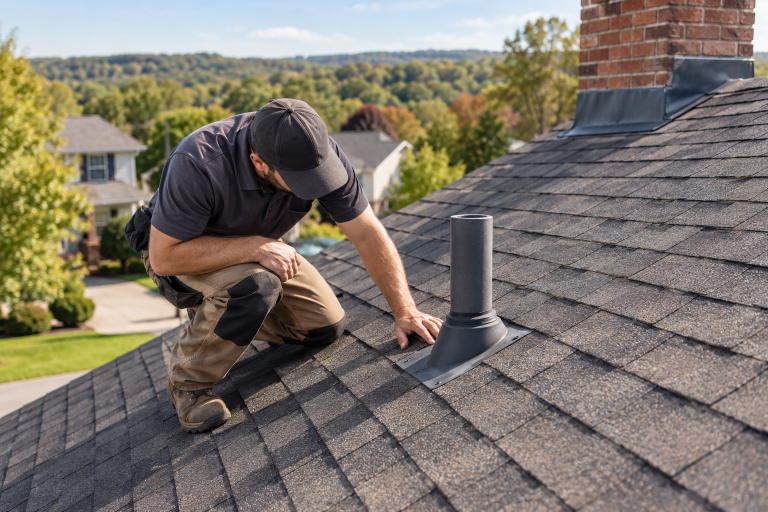
Roof damage is not always as simple as one missing shingle or one visible dent. A roofing system includes shingles, flashing, underlayment, vents, pipe boots, valleys, drip edge, decking, gutters, and other components that work together.
Storms can also affect more than the roof.
Depending on what happened, there may be concerns involving siding, gutters, trim, windows, doors, or other exterior components.
A contractor who has already performed a proper inspection can walk into the adjuster meeting with a clear understanding of what was observed before the insurance inspection began.
Gotcha Covered Contracting’s approach to a professional roof inspection in Pennsylvania includes documenting visible conditions and providing homeowners with information about what was found.
That documentation can give the contractor something specific to discuss when the adjuster arrives instead of relying on memory or general statements such as, “We think the roof is damaged.”
What Your Contractor Can Point Out to the Adjuster
One of the most useful things a contractor can do during the inspection is identify visible conditions that the contractor believes should be examined.
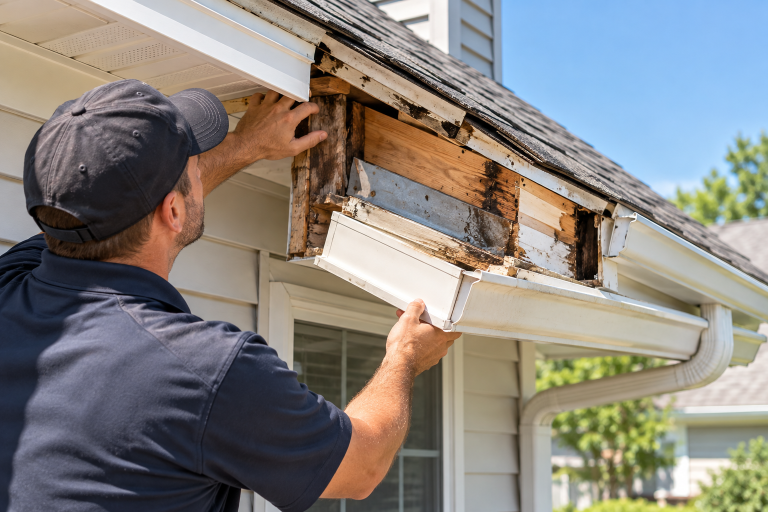
The contractor might point out wind-lifted or creased shingles, hail impacts, damaged vents, displaced roofing materials, damaged flashing, dents to exterior metals, siding concerns, or other conditions documented during the original inspection.
This is not the same as telling the insurance company what it must cover.
It is simply making sure the contractor’s observations are clearly communicated.
For example, suppose the contractor inspected the roof before the adjuster appointment and photographed several areas that appeared consistent with storm-related damage. During the adjuster inspection, the contractor can return to those areas and explain what was observed.
The adjuster can then evaluate those conditions independently.
That is a much more productive conversation than expecting the homeowner to remember roofing terminology, identify damage from the ground, or explain construction details they deal with only once every several years.
Your Contractor Can Explain the Repair Scope
Finding damage is only one part of the conversation.
The next question is what it may take to repair the property correctly.
Two people may agree that a roofing component is damaged while having different initial understandings of what is involved in addressing it. That is where a contractor’s construction experience becomes useful.
A contractor can explain why certain materials may need to be removed, replaced, or accessed to complete the work. They can discuss labor considerations, related roofing components, and practical installation requirements.
The contractor can also prepare an estimate describing the work they believe will be necessary.
The National Association of Insurance Commissioners recommends documenting damaged property and taking photographs and videos when filing a homeowners claim. Its homeowners insurance claim guidance also explains the role of documentation when homeowners meet with an adjuster.
An estimate from a contractor adds another piece of information to that process.
A Contractor Can Provide an Estimate, Not a Coverage Decision
This is one of the most important distinctions for homeowners to understand.
A roofing contractor can estimate what they believe it will cost to repair or replace damaged materials.
That estimate does not determine what the insurance carrier will pay.
Your insurance carrier makes coverage decisions based on your policy and its evaluation of the loss.
There may be situations where the contractor’s estimate and the insurance estimate do not initially match. That does not automatically mean either party is acting improperly. Differences can result from the scope of work, quantities, materials, labor assumptions, overlooked components, or other details.
When that happens, documentation becomes especially important.
A contractor can explain their estimate and provide information supporting the work they believe is necessary. The insurance carrier can review that information and decide how it affects the claim.
What a Roofing Contractor Cannot Do
Homeowners should also understand the limits of a contractor’s role.
A roofing contractor is not the insurance carrier and should not pretend to be.
Gotcha Covered Contracting does not make decisions about whether a claim will be approved. We cannot guarantee that particular damage will be covered, promise a specific settlement amount, or force an insurance company to change its determination.
A contractor also should not blur the line between construction services and licensed public adjusting.
Pennsylvania treats public adjusting as a separate professional activity. The Pennsylvania Insurance Department explains that a public adjuster is hired by the policyholder to assist in negotiating an insurance claim and must meet state licensing requirements. Contractors and public adjusters therefore have different functions. Homeowners can review the state’s guidance about public adjusters in Pennsylvania to better understand that distinction.
A contractor can discuss construction, damage, repairs, estimates, and documentation.
The insurance carrier decides coverage.
Keeping those responsibilities clear protects the homeowner and keeps the conversation focused on the property itself.
What Should Happen Before the Adjuster Arrives?
Ideally, the first time your contractor sees the property should not be five minutes before the insurance adjuster arrives.
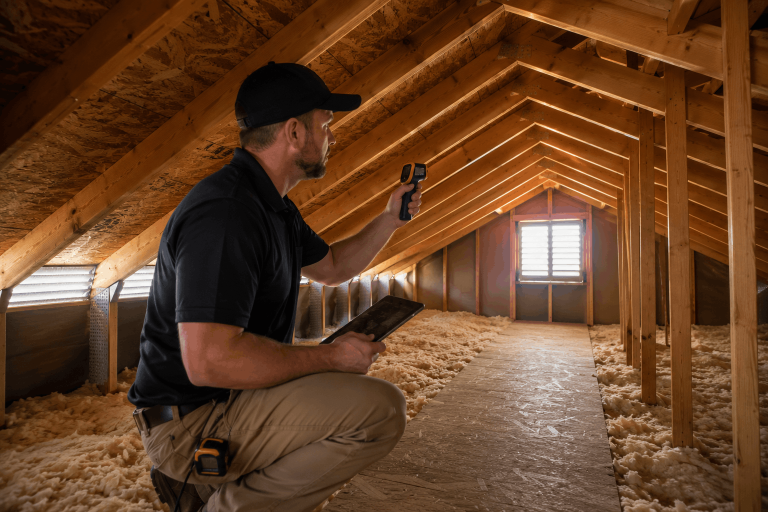
A separate professional inspection gives the contractor time to look carefully at the roof and exterior, document concerns, photograph relevant conditions, and understand what may need further evaluation.
That preparation can make the adjuster appointment more productive.
If you suspect roofing damage following wind, hail, or another severe weather event, Gotcha Covered Contracting offers a roof inspection for Pittsburgh-area homeowners that can help clarify the condition of the roof before major decisions are made.
Homeowners should also gather their own information.
Keep photographs or videos of obvious damage that you can safely document from the ground. Save receipts associated with temporary measures or damage-related expenses. Keep records of conversations with your carrier, including names, dates, and important instructions.
The Pennsylvania Insurance Department also recommends documenting damage before cleanup, saving receipts, understanding the expected repair cost before agreeing to a settlement, and asking questions when something is unclear.
Should You Wait for the Adjuster Before Getting a Contractor?
Not necessarily.
Having a professional contractor inspect the property can help you understand whether there appears to be damage worth discussing with your insurance carrier.
It can also give you a clearer picture of the repair itself.
This is different from asking a contractor whether your insurance company will pay for the work. The contractor should stay within their lane and discuss the property, not promise coverage.
Gotcha Covered Contracting also maintains information about roof storm damage in the Pittsburgh area, including common exterior concerns homeowners may notice after severe weather.
If the roof is steep, wet, damaged, or difficult to access, homeowners should avoid climbing onto it themselves. Photos from a safe location and a professional inspection are better options than putting yourself at risk.
What Happens If the Contractor and Adjuster See Things Differently?
Different observations do not automatically mean something has gone wrong.
The contractor may believe a particular component needs to be replaced based on the condition of the material or the way the repair must be performed. The adjuster may have a different initial scope.
The most useful response is usually documentation.
A contractor can provide photographs, measurements, estimates, product information when relevant, and an explanation of why particular work is included in the proposed repair.
The homeowner can also ask the insurance company questions about the claim and request clarification when the carrier’s scope differs from what the contractor has described.
The Pennsylvania Insurance Department advises homeowners not to rush settlements and notes that they can discuss disagreements about repair offers with their insurer.
The goal should be clarity, not confrontation.
A good contractor does not need to turn the adjuster inspection into an argument. The contractor’s job is to professionally communicate what they observed and what they believe is required from a construction standpoint.
Why This Matters After Western Pennsylvania Storms
Storms in Western Pennsylvania can create confusing situations because damage is not always obvious from the driveway.
A homeowner may see one missing shingle while an inspection reveals additional concerns. Another homeowner may assume a roof is severely damaged only to learn that the issue is more limited.
That is why Gotcha Covered Contracting emphasizes inspection before assumption.
For homeowners near Robinson Township and throughout the surrounding Western Pennsylvania service area, the purpose of having an experienced contractor involved is not to manufacture an insurance claim or promise a new roof.
The purpose is to understand what happened to the property.
When insurance is involved, good documentation and clear communication can help everyone work from the same information.
Questions Homeowners Frequently Ask About Adjuster Inspections
Should my contractor be present when the insurance adjuster comes?
It can be helpful. A contractor who has already inspected the property can identify visible concerns, explain construction details, and discuss the repair scope with the adjuster. The insurance carrier still makes all coverage decisions.
Can my contractor tell the adjuster what insurance has to pay for?
No. A contractor can explain what they believe needs repaired and provide an estimate, but the contractor does not determine insurance coverage or control the carrier’s claim decision.
Can a contractor negotiate my insurance claim?
A contractor can discuss construction scope, pricing, documentation, and repair requirements. Negotiating insurance claims as a public adjuster is a separately regulated activity in Pennsylvania.
What should I have ready for the adjuster inspection?
Keep photographs, videos, receipts, claim information, and notes about what happened. If a contractor has inspected the property, their photographs, findings, and estimate may also provide useful information.
What if the contractor’s estimate is higher than the insurance estimate?
The contractor can explain why their proposed scope or pricing differs and provide supporting documentation. The insurance carrier reviews that information and determines whether changes to its estimate or coverage decision are appropriate.
Does having a contractor present guarantee that my claim will be approved?
No. No roofing contractor should promise insurance approval. Your insurance carrier determines coverage under your policy.
Should I sign a roofing contract before the adjuster inspection?
There is no universal answer for every situation. Read any agreement carefully and understand what you are signing. Pennsylvania’s Natural Disaster Insurance Guide advises homeowners to investigate contractors, get work details in writing, and avoid signing incomplete paperwork.
Get Clear Information Before Making a Major Decision
An adjuster inspection can feel complicated when you do not deal with insurance claims or roofing every day.
Your contractor does not control the insurance company, and that is not the contractor’s role. The value a contractor can provide is practical property knowledge: inspecting the damage, documenting what is visible, explaining what may be necessary to repair it, and providing an estimate based on the work they believe the property needs.
Gotcha Covered Contracting helps homeowners near Robinson Township and throughout Western Pennsylvania approach storm damage with clear information and straightforward guidance.
If an adjuster inspection is coming up and you want an experienced contractor to evaluate the property, you can schedule a consultation with Gotcha Covered Contracting. We can inspect the property, explain what we see, and help you understand the construction side of the situation without promising what your insurance carrier will decide