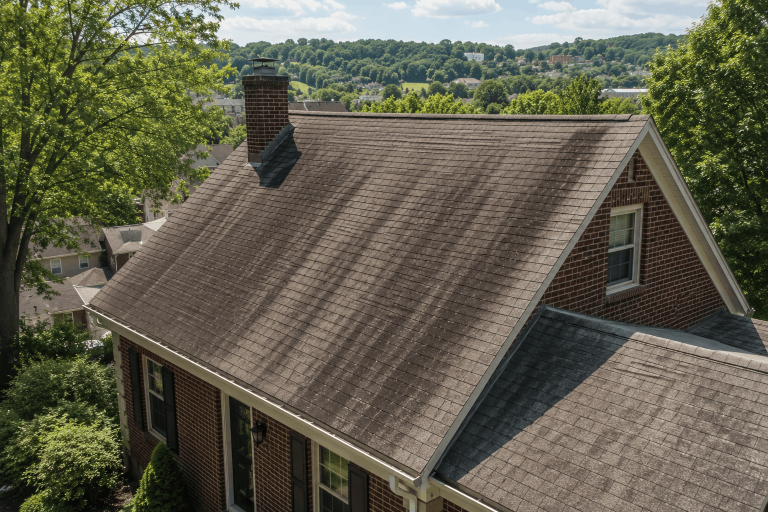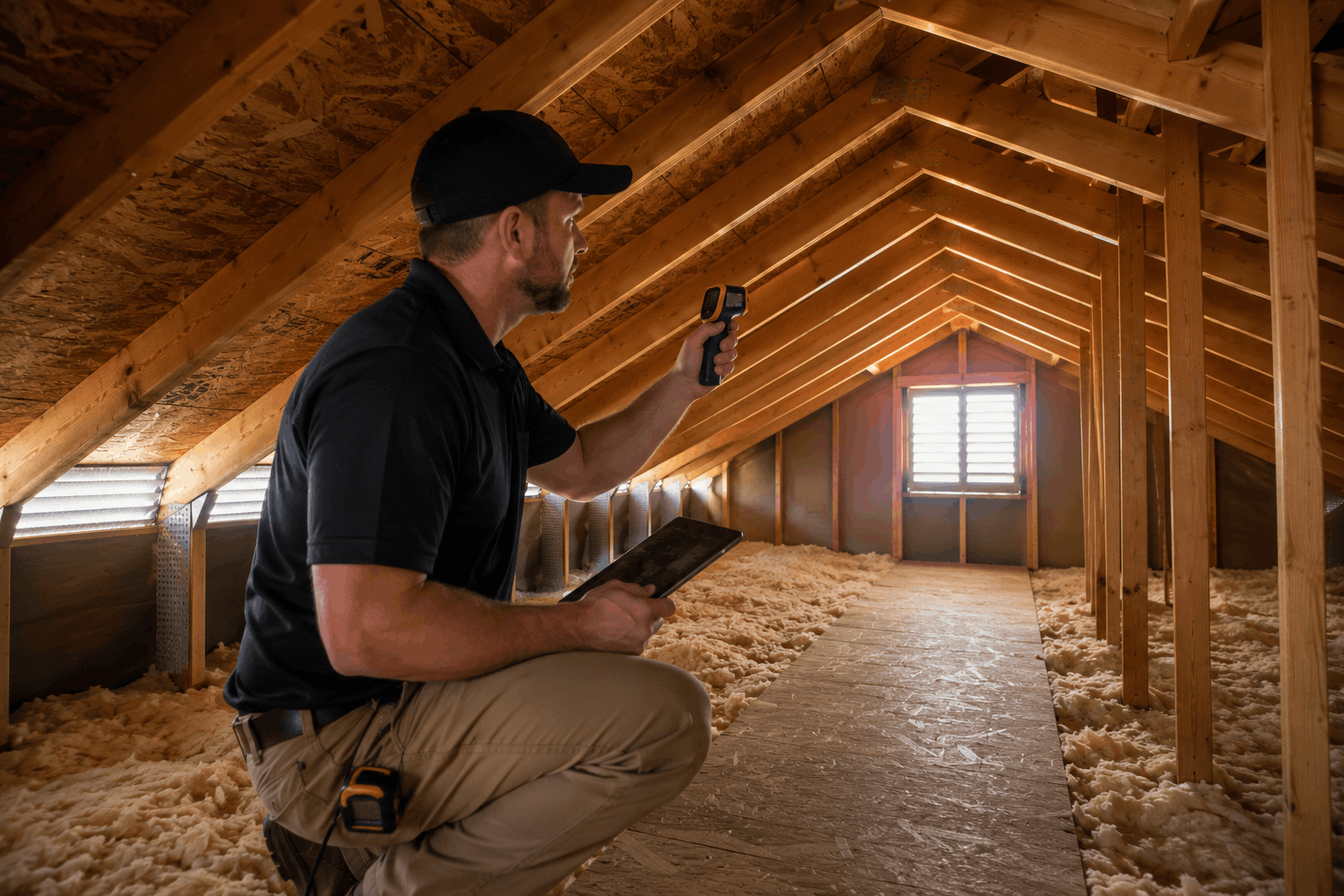
Most Pittsburgh homeowners we work with don’t think about their attic ventilation until something is obviously wrong. The upstairs is unbearable in August. Ice dams every January. A musty smell when they open the attic hatch. Energy bills creeping up. By the time those symptoms show up, the ventilation has usually been failing for years.
Poor attic ventilation is one of the most expensive roofing problems we diagnose, mainly because the damage compounds slowly and quietly. Shingles age years faster than they should. Ice dams form every winter. Mold takes hold in summer humidity. HVAC equipment runs harder than it needs to. The fix is usually straightforward, most homeowners just don’t know to look.
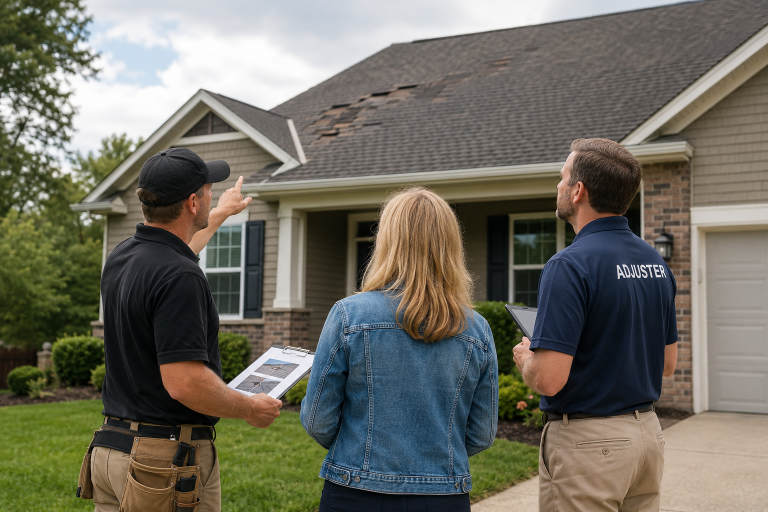
Already seeing two or more of the signs below? Call us at (724) 581-8147 or schedule a free inspection online. We measure the attic, check the actual airflow, and tell you exactly what needs to change.
We serve Pittsburgh and Allegheny County, including Mt. Lebanon, Squirrel Hill, North Hills, South Hills, Cranberry, Sewickley, Highland Park, and surrounding communities.
How Attic Ventilation Should Work
A properly ventilated attic moves air continuously from low to high. Cool outside air enters at the soffit vents along the eaves, rises through the attic as it warms, and exits through ridge vents at the peak. This does two big jobs in Pittsburgh: in summer it pulls heat out before it can radiate down into the living space, and in winter it keeps the roof deck cold so snow doesn’t melt-and-refreeze at the eaves.
When it stops working, both jobs stop. The attic becomes a heat trap in summer and a moisture trap in winter. Everything bad cascades from there.
The Signs Worth Watching For
Hot upstairs rooms in summer. If the second floor is noticeably hotter than the rest of the house in July and August, the most likely culprit is the attic. A poorly vented Pittsburgh attic can hit 130 to 150°F on a hot day. That heat radiates straight down through your ceiling.
Ice dams every winter. Most diagnostic symptom of poor ventilation. If icicles longer than your forearm hang off the eaves every winter, it’s a ventilation problem (combined with insulation).
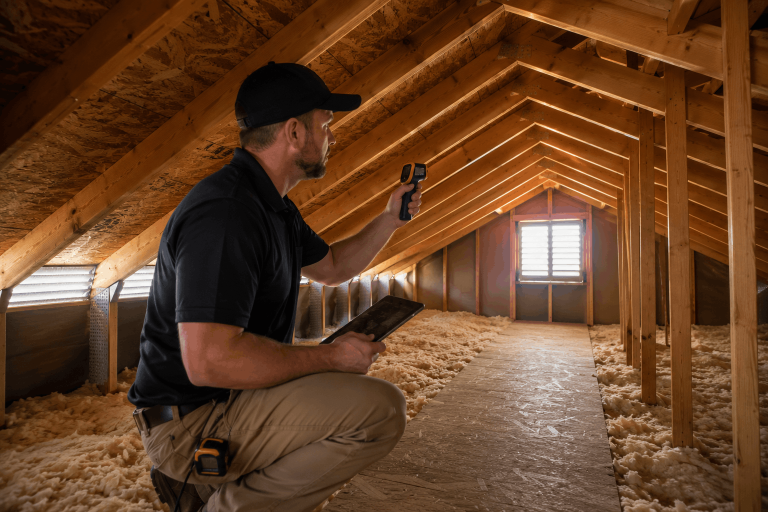
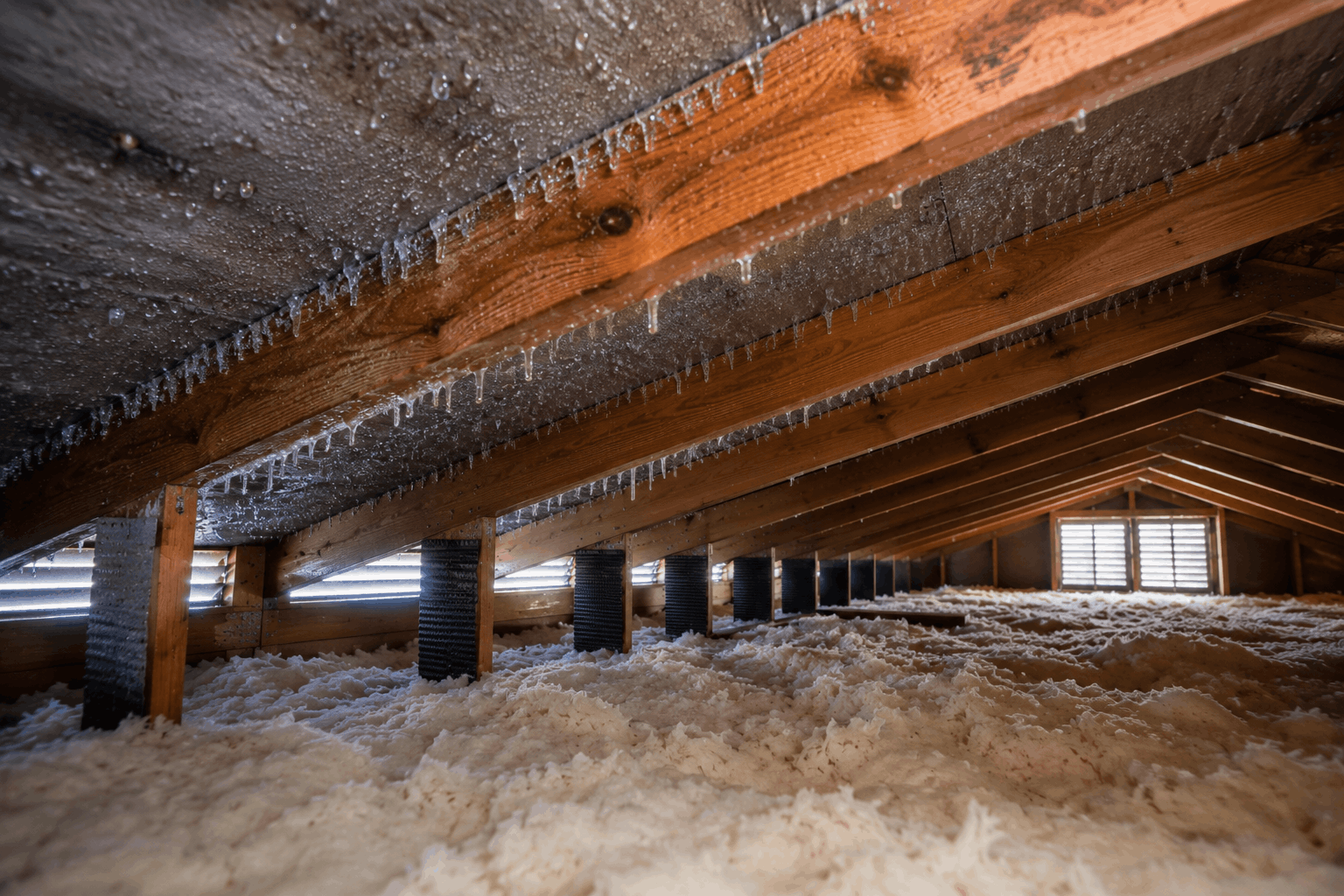
Frost or condensation in the attic during cold weather. Climb up there in January or February. Frost on the underside of the deck or on roofing nails means warm humid air is rising from the living space and condensing on the cold roof. When the weather warms, that frost melts onto your insulation and ceiling. Repeat for a few Pittsburgh winters and you’ve got slow deck rot.
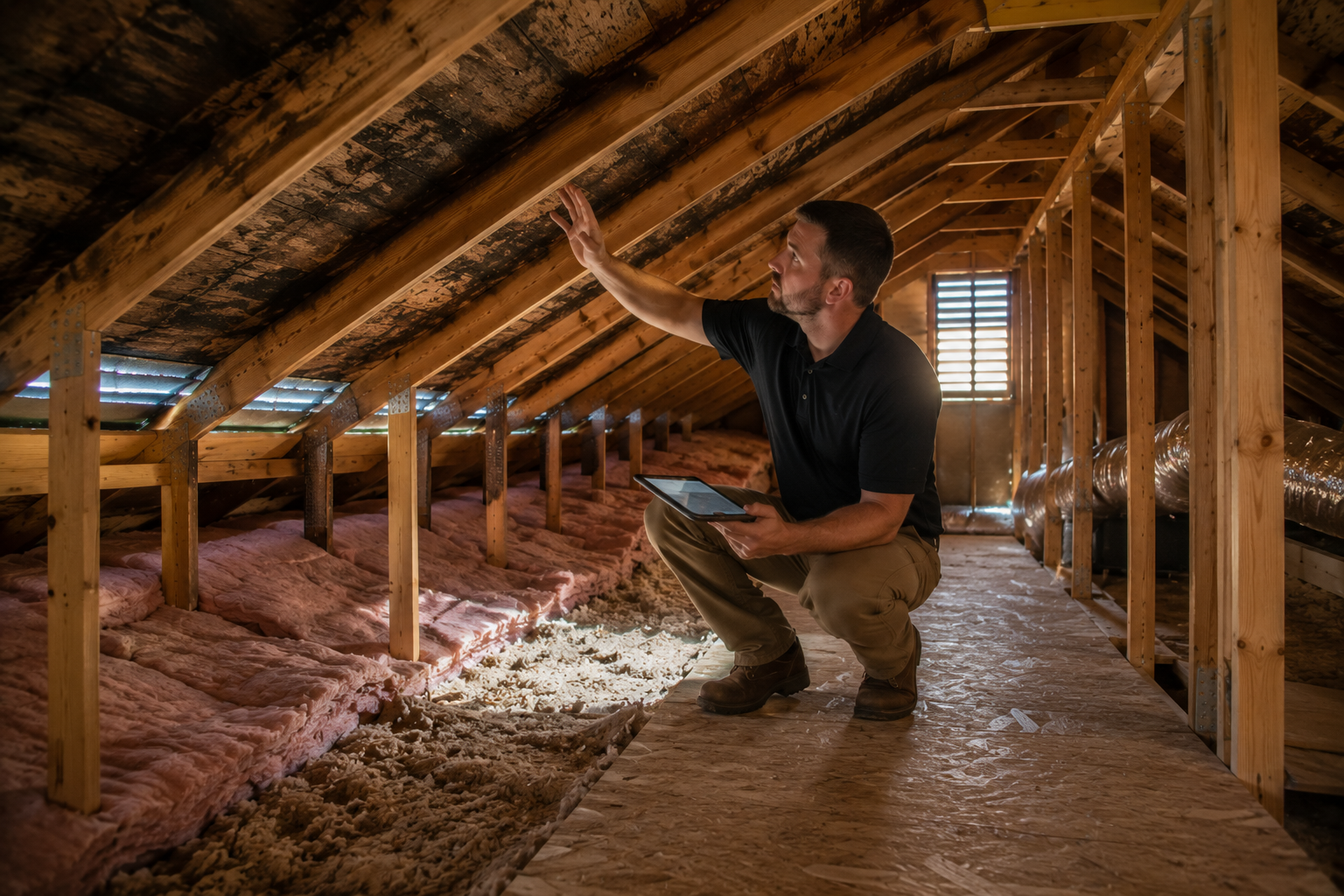
A musty smell when you open the attic hatch. Mustiness, mildew, anything resembling wet basement = moisture problem. Visible mold on rafters or the underside of the deck confirms it.
Pittsburgh summer humidity creates near-ideal mold conditions in poorly vented attics.
Shingles aging fast. Asphalt shingles in Pittsburgh are warranted 25 to 30 years. Roofs with poor ventilation often fail at 15 to 20.
Trapped attic heat bakes the underside of the shingles year-round, drying out the asphalt and accelerating granule loss.
If your 12-year-old roof is already curling, cupping, or losing granules, ventilation is high on the suspect list.
Trapped moisture can also accelerate the algae growth behind black streaks on Pittsburgh shingles.
Energy bills climbing. If your summer or winter bills are notably higher than 3 to 5 years ago and you haven’t changed anything in the house, check the attic. A 130°F attic in summer can add 15 to 25% to cooling costs. Over a few years that adds up to thousands.
Rusty nails or corroded metal in the attic. Easiest item to check yourself with a flashlight. Rusty nails sticking through the deck or visible corrosion on metal vent stacks means persistent moisture.
While you’re up there, look for daylight along the eaves or stains around penetrations, which often indicate flashing failure on Pittsburgh homes.
Why Pittsburgh Homes Are Especially Prone to This
Older housing stock. A huge share of Pittsburgh homes were built before modern attic ventilation standards. Many have only gable vents, some airflow but not what soffit-and-ridge systems deliver. When those original systems get clogged with paint, insulation, or debris, they stop working entirely.
Dense tree canopy in older neighborhoods. Established neighborhoods (Squirrel Hill, Highland Park, Sewickley, parts of Mt. Lebanon) have less ridge airflow because tree cover reduces wind speed at roof level. Static ventilation depends on convection and wind, trees suppress both.
Ice dam belt climate. Cold Pittsburgh winters with intermittent thaw days makes the metro ice dam country. Ice dams reveal ventilation problems immediately where milder climates can mask them for years.
Reroofed without ventilation upgrades. A lot of Pittsburgh homes were reroofed in the 90s and 2000s but the original ventilation system was kept as-is. A new roof on top of inadequate ventilation still has the same problem. When we plan a full asphalt shingle reroof, we right-size the intake and exhaust at the same time.
What Ignoring It Costs You
- Premature roof replacement ($14,000 to $25,000) 5 to 10 years sooner than necessary
- Ice dam interior damage ($2,500 to $7,000 per major event)
- Mold remediation ($2,500 to $8,000) if it gets bad
- HVAC equipment shortened lifespan from running harder
- Higher utility bills year after year ($400 to $1,200+ annually)
Compare that to fixing the ventilation properly: $800 to $3,500 for most Pittsburgh homes, sometimes bundled into a reroof at minimal additional cost.
What the Fix Usually Looks Like
- Add soffit vents on homes with insufficient intake: $500 to $1,500
- Add ridge vents on homes without them: $800 to $2,000
- Clear blocked existing vents: $300 to $700
- Install baffles so insulation doesn’t block soffit airflow: $400 to $1,200
- Full retrofit on older homes with no proper system: $2,000 to $5,000
- Power vents where passive can’t deliver enough flow: $900 to $2,200
Quick Answers
Can I check ventilation myself? Basic check yes, look at the soffits for visible vent holes, look at the ridge for venting, go in the attic on a hot summer day and see if air is moving. Any “no” answer means a professional should look.
Will fixing ventilation eliminate my ice dam problem? Often yes, paired with adequate insulation. Both together is the durable fix.
Is insulation alone enough? No. Insulation without ventilation can actually make moisture worse by trapping humid air against the cold deck. They work as a system.
Can poor ventilation void my shingle warranty? Yes. GAF, CertainTeed, and Owens Corning all require adequate ventilation as a warranty condition.
Why Pittsburgh Homeowners Trust Gotcha Covered Contracting
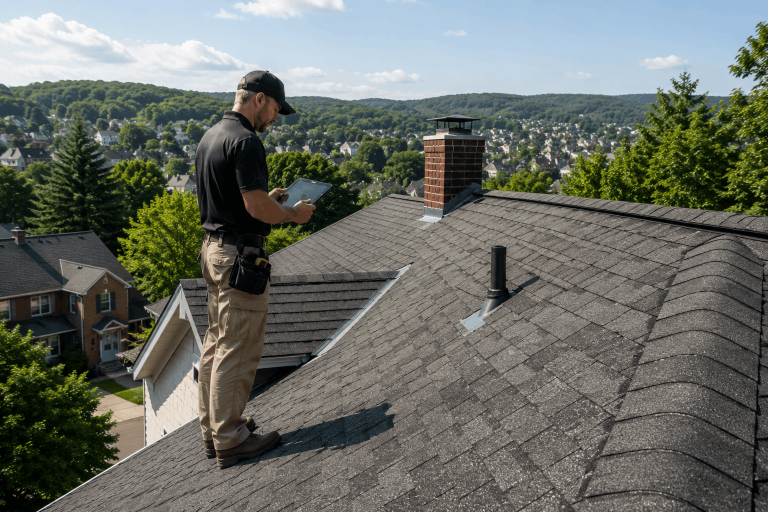
Gotcha Covered Contracting handles residential roofing across the Pittsburgh metro, including the ventilation diagnostics most contractors skip. Locally owned Pennsylvania company, GAF and Owens Corning certified, fully licensed and insured, PA HIC registered. Every evaluation includes photos, attic measurements, and a written assessment. We fix what’s actually broken, we don’t sell ventilation upgrades you don’t need.
Book a Free Ventilation Inspection
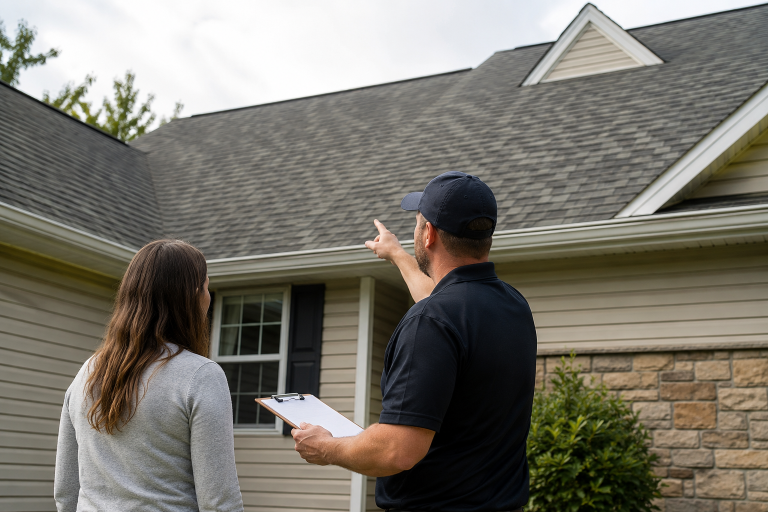
If you suspect your attic ventilation isn’t doing its job, the cheapest move is a free professional evaluation. A Gotcha Covered Contracting project manager will inspect your roof and attic, assess the system, and tell you exactly what (if anything) needs to change. Call us today (724) 581-8147 or schedule a free inspection here.