When a leak starts in a house, the trouble often does not stay at the ceiling. It can damage the interior, the drywall, and the paint, and then go all the way down to the flooring. That path is what I want homeowners to understand, because roof leak damage is rarely only a roof problem.
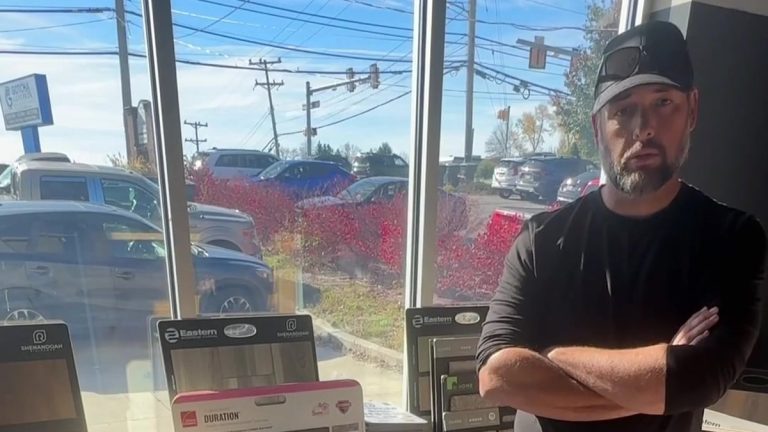
One of the new ventures Gotcha Covered Contracting got into recently is being a preferred contractor with most major insurance companies. We also took on different trades and started doing water and fire reconstruction. That is why you will see flooring samples in our showroom. We can take a project like this and fix the roof all the way down to the floor.
Why Gotcha Covered Contracting Is Now a Preferred Contractor
Gotcha Covered Contracting is now a preferred contractor with most of the major insurance companies. I want to say that plainly, and I also want to say what it does not mean. Preferred contractor status is not a promise that a claim will be approved, paid, or finished on a set schedule. Your insurance company makes coverage decisions under the terms of your policy.
A preferred contractor relationship can make communication clearer on a job that involves both construction work and an insurance review. It does not give the contractor the authority to decide what is covered. I will come back to that later, because homeowners near Robinson Township and throughout Western Pennsylvania often hear those two roles blended together.
Water and Fire Reconstruction, and the Flooring Samples in Our Showroom
We also took on different trades. We started doing water and fire reconstruction. That work is a natural extension of what we already do on the exterior of a house. A leak does not always stop at the shingles or the underlayment. If water has already entered the living space, the interior finishes may need attention as well.
That is why flooring samples are visible behind me when I talk about this work. Those samples are there because reconstruction can include the floor, not only the roof. Drywall and paint can be part of the same project. I am not going to invent a long history for this trade, or list credentials we have not discussed. I will tell you what we set out to do. We can take that project and work from the roof all the way down to the floor.
Fire reconstruction is part of that same expansion. I am not going to walk through a fire job in this article as if I had described one on camera. The point is that Gotcha Covered Contracting took on those trades so a homeowner does not have to split a single event into a roof job and a separate interior job, at least on the projects we are able to accept.
How Roof Leak Damage Moves Through a House
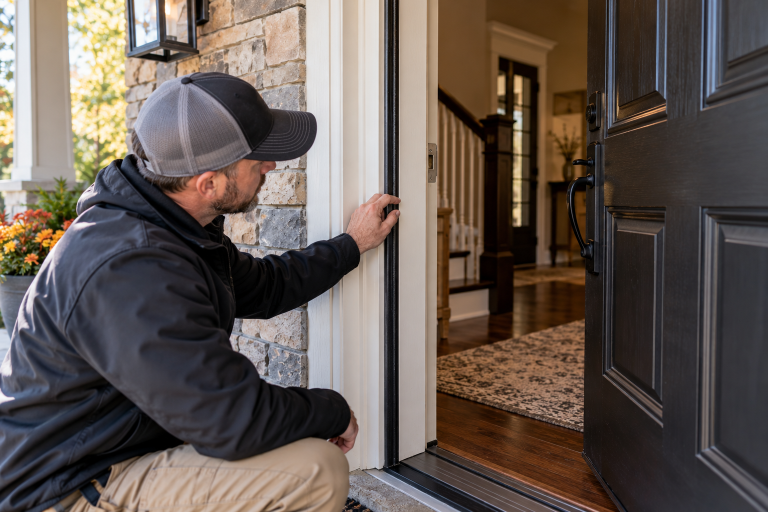
If you have a leak in your house, it can damage the interior long before anyone opens a wall. Water follows the easiest path it can find. It may travel along roof decking, framing, or insulation, and then appear on a ceiling or wall that is not directly below the entry point. That is why roof leaks are not always where you see the water.
Once moisture is in the building materials, it does not always stay in one spot. It can wet drywall, stain or loosen paint, and continue down to the flooring. Homeowners sometimes focus only on the mark they can see, while water is still moving through the assembly behind it. An honest inspection should look for the source and for the path, not only for the stain on the ceiling.
The Environmental Protection Agency advises homeowners to fix water problems as soon as possible and to dry water-damaged areas and items within 24 to 48 hours to help prevent mold growth. That guidance is about moisture control. It is not a promise about how long any reconstruction project will take, and it is not a guarantee that every wet material can be saved.
Roof Leak Damage to Drywall, Paint, and Flooring
Drywall is especially vulnerable. The International Association of Certified Home Inspectors explains that in a granular material such as drywall, water is absorbed into the spaces between the particles, reducing the material’s strength. That is why a wet ceiling can sag. A small stain can hide a larger wet area in the board or in the cavity behind it.
Paint is often the first change a homeowner notices. Discoloration, blistering, or a soft spot in the finish can be a sign that moisture has already reached the surface. The Environmental Protection Agency also cautions that paint applied over moldy surfaces is likely to peel, and that mold should be cleaned and the surface dried before painting. Painting over a stain without fixing the leak and drying the material can hide the problem for a short time and then fail.
Flooring is where many people are surprised. Water that enters at the roof can travel down walls or through hidden cavities before it shows up at the floor. Some finishes can swell, stain, or loosen. The same Environmental Protection Agency guidance notes that absorbent or porous materials, such as ceiling tiles and carpet, may have to be thrown away if they become moldy. That does not mean every floor covering in a leak will need to be replaced. It does mean the floor should be part of the inspection, not an afterthought.
If the roof is the source, the roof still has to be addressed. Our residential roof repair services in Pittsburgh include finding and repairing leaks so water is not still entering while interior work is under way. Interior repairs without a sound roof are only a temporary patch.
What Preferred Contractor Status Does and Does Not Mean
I want homeowners to hear this part clearly. Gotcha Covered Contracting being a preferred contractor with most major insurance companies does not mean we decide coverage. We cannot promise that a policy will pay for drywall, paint, flooring, or a roof repair. We cannot promise approval, a payment amount, or a timeline.
A contractor can document what is visible, explain the construction issues, and provide an estimate for the work that appears necessary. The insurance adjuster evaluates the loss for the carrier. Those are different jobs. I have written before about whether your contractor should meet the insurance adjuster, and the same line still holds. The carrier makes the coverage decision under the terms of the policy.
Homeowners should review their own policy and speak with their insurance provider about their situation. I will not name insurers, and I will not pretend that preferred contractor status changes those facts.
What Western Pennsylvania Homeowners Should Watch for with Roof Leak Damage
For homeowners near Robinson Township and throughout our Western Pennsylvania service area, leak problems often show up after heavy rain, wind, snow, or ice. Look for new stains on ceilings or upper walls, peeling or bubbling paint, a soft or sagging area in the drywall, a musty odor, or flooring that has cupped, stained, or loosened. You can also review common signs of a roof leak if you are not sure what to watch for from the ground.
I do not recommend climbing onto the roof to hunt for the source. Start with a careful look from inside and from the ground. If water is near an electrical fixture, keep people away from that area and involve the appropriate qualified professional. The goal is to understand the path of the roof leak damage and to stop the water at its source, then address the interior materials that were affected.
Frequently Asked Questions About Roof Leak Damage
What is roof leak damage inside a house?
Roof leak damage is the harm that water can cause after it gets past the roof system and into the building. Inside the house, that may include stained or weakened drywall, damaged paint, wet insulation, and flooring that has been reached by the same moisture. The visible stain is often only part of the path.
Can roof leak damage reach flooring as well as the ceiling?
Yes. A leak can damage the interior, the drywall, and the paint, and then go all the way down to the flooring. Water does not always stop at the first surface it marks. That is one reason Gotcha Covered Contracting took on water and fire reconstruction and can take a project from the roof all the way down to the floor.
Why might a stain on the ceiling be far from the leak?
Water follows the easiest path it can find. After it enters around a roofing detail, it may travel along decking, framing, or insulation before it appears indoors. The stain shows where the water became visible, not always where it started.
What does it mean that Gotcha Covered Contracting is a preferred contractor?
Gotcha Covered Contracting is now a preferred contractor with most of the major insurance companies. That is a business relationship, not a coverage decision. It does not let the contractor approve a claim, require a payment, or promise a result under your policy.
Does preferred contractor status mean my insurance will pay for the work?
No. Preferred contractor status does not mean a claim will be approved or paid. Coverage and claim decisions are made by your insurance company under the terms of your policy. A contractor can document conditions and estimate the work that appears necessary. The carrier still decides what, if anything, the policy will cover.
Why did Gotcha Covered Contracting start water and fire reconstruction?
We took on different trades and started doing water and fire reconstruction so we could handle more of a damaged house in one project. The flooring samples in our showroom reflect that interior finishes, including flooring, can be part of the work. We can take a leak project and fix the roof all the way down to the floor, including drywall and paint when those materials are affected.
Should I paint over stained drywall before the leak is fixed?
I would not. The leak and the moisture in the material should be addressed first. Paint over a wet or moldy surface can fail, and it can also hide conditions that still need to be inspected. Dry the area, understand the source, and then decide what finishes need to be repaired or replaced.
If you would like help understanding a leak that has reached the interior of your home, we are ready to talk it through. You can contact Gotcha Covered Contracting through our Pennsylvania contact page.
Disclaimer: This article shares general information about residential roofing, water and fire reconstruction, and home interior repairs after a leak. It is not legal, insurance, or financial advice, and it does not replace a professional inspection of your home. Every property, policy, and claim is different. Coverage and claim decisions are made by your insurance company under the terms of your policy, so Gotcha Covered Contracting cannot promise any coverage, approval, outcome, price, or timeline. Please review your policy and speak with your insurance provider about your specific situation.