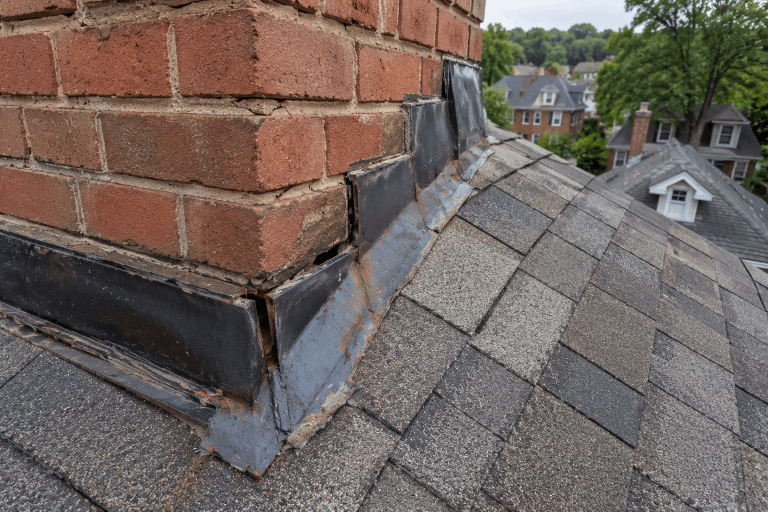
Getting a letter from your homeowners insurance company saying your roof needs repaired or replaced can catch you completely off guard. You may not have a leak, you may not have noticed missing shingles, and nobody from the insurance company may have visited your property.
So why are they suddenly concerned about your roof?
Insurance companies are using aerial photographs, satellite imagery, and drone technology to evaluate the condition of residential properties. If the images raise concerns about your roof, your insurance carrier may send a notice requesting repairs, further inspection, or a full replacement.
For homeowners in Robinson Township, Pittsburgh, and throughout Western Pennsylvania, these notices can create some difficult questions. Is the roof actually damaged? Does it really need replaced? What happens if you disagree with the insurance company’s assessment? What if you cannot complete the requested work before the deadline?
The first thing to understand is that an insurance company’s concern about your roof does not automatically mean the entire roof needs replaced. The right next step is to understand what the company identified, what your policy requires, and what a professional inspection reveals about the roof’s actual condition.
Why Insurance Companies Are Using Drones and Aerial Photographs
Insurance companies have always considered the condition of a home’s roof when evaluating the property they insure. A roof that is severely deteriorated or has unrepaired damage may present a greater risk of future water intrusion and other property losses.
What has changed is how insurers can gather information.
Aerial photography allows an insurance company to review properties without scheduling an initial inspection at every home. Images may come from aircraft, satellites, drones, or specialized imagery providers.
According to the Connecticut Insurance Department’s guidance on roof risk evaluations, insurers may use aerial imagery, in-person inspections, or a combination of these methods. Aerial imagery may serve as an initial screening tool, with additional inspection when concerns arise.
These technologies can help identify certain visible conditions, including missing roofing materials, accumulated debris, or apparent deterioration.
A photograph taken from above does not necessarily reveal the condition of the roofing system underneath the shingles. It may not establish whether an area is actually leaking, whether a previous repair was completed correctly, or whether the roof can be repaired rather than replaced.
The images may also show discoloration, staining, or shadows that require closer examination before anyone can determine their significance.
What Can Trigger a Roof Repair or Replacement Notice?
Insurance companies may identify several conditions that raise questions about a roof’s ability to protect the home.
Some of the more common concerns include missing or visibly damaged shingles, curling roofing materials, signs of significant wear, accumulated debris, and areas that appear deteriorated.
The age of the roof can also influence an insurance carrier’s evaluation. Different insurers have different underwriting standards, and an older roof may receive additional attention even when the homeowner has not experienced an obvious problem.
A roof that has been exposed to Western Pennsylvania’s weather for many years can experience wear from wind, rain, snow, ice, and temperature changes. That does not mean every aging roof is failing, but its condition deserves an accurate assessment.
One important distinction is the difference between appearance and performance.
Dark streaks on shingles may be a cosmetic concern rather than proof that a roof has reached the end of its useful life. Missing shingles, exposed roofing materials, or visible deterioration may indicate a more serious problem.
The challenge is determining what the images actually show.
In May 2024, the Pennsylvania Insurance Department addressed the use of aerial imagery in homeowners insurance decisions. The department raised concerns about insurers relying on photographs that showed discoloration or other cosmetic conditions without clearly establishing significant roof damage.
The department emphasized the need for appropriate verification and opportunities for homeowners to address or challenge identified concerns.
For homeowners, this reinforces the value of an inspection that evaluates the actual roofing materials rather than relying entirely on a photograph.
What Should You Do First After Receiving the Letter?
The most practical first step is to read the entire notice carefully and contact your insurance agent.
Do not assume the letter is simply a recommendation. Some notices may establish a deadline for completing specified work or responding to the insurer.
Other letters may request additional documentation or provide an opportunity to demonstrate that the roof is in acceptable condition.
You want to understand exactly what the insurance company is asking you to do.
When speaking with your agent, consider asking these questions:
-
What specific roofing condition did the insurance company identify?
-
Was the decision based on aerial photography, a physical inspection, or another source?
-
Can I receive copies of the photographs or inspection findings?
-
Is the company requiring a repair, a full replacement, or additional evaluation?
-
What is the deadline for responding or completing the requested work?
-
Will the company consider photographs and documentation from an independent roofing contractor?
Ask for important explanations and requirements in writing so you have a clear record of the conversation.
Keep the original notice, photographs, emails, and any supporting documentation together.
If the letter includes a cancellation or non-renewal date, do not ignore it while you arrange an inspection. Contact your insurance agent promptly to discuss the deadline and any available options.
An insurance company makes its own coverage and underwriting decisions, so a contractor cannot promise that an inspection will reverse the notice.
However, the right documentation may help clarify the condition being questioned.
Does an Insurance Company Letter Mean You Need a New Roof?
Not necessarily.
A roofing concern identified in an aerial photograph may turn out to be a condition that can be repaired. In other situations, the roof may have widespread deterioration that makes replacement the more practical long-term solution.
The important point is that the answer should come from evaluating the roof, not simply assuming the most expensive option is necessary.
Consider a roof with a limited section of damaged shingles. If the surrounding materials remain in acceptable condition and a proper repair is possible, replacing the affected section may be reasonable.
Now consider a roof with extensive deterioration across several slopes, repeated leaks, and materials that are no longer performing properly. A full replacement may be the better recommendation.
There is also a difference between what a contractor considers physically repairable and what an insurance company requires for continued coverage. Even if a contractor believes a repair is reasonable, the insurer may have additional underwriting requirements that need to be addressed.
Gotcha Covered Contracting approaches these situations by helping homeowners understand the condition of their roof before making major decisions.
For homeowners looking at specific roofing problems, the company’s residential roof repair services in Pittsburgh explain how damaged roofing materials, leaks, and other concerns can be evaluated.
A clear inspection can help establish whether the problem is isolated, widespread, or something that requires further investigation.
Why a Professional Roof Inspection Matters After an Insurance Notice
An aerial photograph can raise a question about a roof. A professional inspection can help provide the information needed to answer it.
A roof inspection involves looking beyond how the shingles appear from the street. Depending on the roof’s design, condition, accessibility, and safety considerations, an inspector may evaluate the shingles, flashing, vents, drainage areas, penetrations, and other components.
The goal is to identify visible problems and determine whether they appear to be isolated or part of a larger roofing issue.
Photographs are useful because they give homeowners a clearer understanding of what was observed.
For example, if an insurer’s aerial image appears to show a damaged area, a closer inspection may help determine whether the materials are missing, deteriorated, discolored, or affected by something else.
Documentation can also help distinguish between a condition that has already been corrected and one that still needs attention.
Gotcha Covered Contracting provides professional roof inspections for Pittsburgh-area homeowners who want to understand potential roofing concerns.
A contractor’s findings do not replace the insurance company’s underwriting decision, but they can provide useful information for discussions with your agent or carrier.
Can You Challenge an Insurance Company’s Aerial Roof Assessment?
Homeowners may have options when they disagree with an insurance company’s conclusions.
In Pennsylvania, this is an especially relevant issue because the Pennsylvania Insurance Department has publicly addressed concerns involving aerial imagery and homeowners insurance cancellations or nonrenewals.
The department has explained that insurers should not rely solely on images showing cosmetic conditions, such as discoloration or streaking, as evidence of substantial roof deterioration.
Its guidance also addresses the importance of clearly identifying the reasons for certain adverse insurance decisions and giving consumers an opportunity to challenge findings or correct confirmed hazardous conditions.
That does not mean every insurance notice is improper. It also does not mean an insurer must accept every independent inspection or continue a policy regardless of the roof’s condition.
The facts, policy terms, type of notice, and applicable insurance requirements all matter.
If you believe the company has misunderstood your roof’s condition, start by speaking with your insurance agent and asking how additional evidence can be reviewed.
You may be able to provide recent roof photographs, an inspection report, documentation of completed repairs, or other relevant information.
If the matter remains unresolved, the Pennsylvania Insurance Department’s Consumer Help Center provides information about asking questions and filing complaints.
Because cancellation and nonrenewal notices can involve specific deadlines, homeowners should promptly seek guidance about their particular situation rather than assume that submitting additional documentation automatically postpones the insurer’s action.
What If the Insurance Company Gives You a Deadline?
A deadline is one of the most important parts of an insurance roof notice.
The letter may identify a date by which the company expects work to be completed, documentation to be submitted, or further information to be provided.
The available time may affect how you approach the situation, particularly if a full roof replacement is being requested.
Start by confirming what the date actually means. Is it the deadline for providing evidence, scheduling work, completing repairs, or the effective date of a coverage decision?
Those are different circumstances.
If a roofing contractor determines that work is necessary, ask your insurance agent whether the carrier will consider a documented repair plan, a scheduled project, or a request for additional time.
An extension may be available in some situations, but it should never be assumed. Obtain any approved change to the deadline in writing.
If the insurer is proceeding with nonrenewal, discuss alternative coverage options with a licensed insurance professional while addressing the roofing concern.
You do not want to discover that your coverage has ended because everyone assumed someone else was handling the notice.
A professional inspection and clear communication with your insurance company should happen as early as reasonably possible.
Will Homeowners Insurance Pay for the Required Roof Replacement?
This is one of the biggest misunderstandings surrounding insurance roof notices.
A requirement to replace a roof as a condition of maintaining insurance coverage is not the same thing as an approved insurance claim.
Homeowners insurance policies generally distinguish between covered property damage and deterioration associated with age, wear, maintenance, or other excluded conditions.
If an insurer requests replacement because the roof is old or worn, that request does not automatically create coverage for the cost of a new roof.
Storm damage is a different consideration.
If a homeowner believes wind or hail caused damage, the circumstances may warrant discussing a potential claim with the insurance carrier. Whether that damage is covered depends on the policy, the cause of loss, the evidence, and the insurer’s determination.
A roofing contractor can document visible conditions and explain what repairs may be necessary. The insurance carrier decides whether the claim is covered.
For homeowners who are dealing with an actual storm damage claim, Gotcha Covered Contracting also explains how a roofing contractor and insurance adjuster may work through an inspection.
The key is keeping two questions separate: what work does the roof need, and what does the insurance policy cover?
Why These Notices Matter for Western Pennsylvania Homeowners
Homeowners throughout the Pittsburgh region deal with roofing conditions that can be influenced by several seasons of changing weather.
Heavy rain, strong winds, winter freezing, snow, ice, and summer storms all place different demands on roofing materials.
Homes throughout Robinson Township and surrounding communities also vary considerably in age, roof design, installation methods, and maintenance history.
That makes an individualized assessment important.
Two homes built around the same time may have roofs in very different condition. One may have received regular maintenance and timely repairs, while the other may have experienced extensive weather exposure or unresolved problems.
An aerial photograph cannot necessarily explain that history.
Gotcha Covered Contracting primarily serves homeowners within roughly a 60-mile radius of Robinson Township in Western Pennsylvania, with select service availability in Ohio and West Virginia.
For homeowners in this region, the goal should be practical. Understand the concern, determine what the roof actually needs, and make the most informed decision possible.
The earlier you understand your options, the easier it may be to communicate clearly with your insurance carrier and plan any necessary work.
How to Prepare for a Conversation With Your Roofing Contractor
If you have received a letter, share it with the contractor before or during your appointment.
The exact wording matters because it helps identify what your insurance company is questioning.
Bring any available photographs, previous inspection reports, repair records, and information about the roof’s approximate age.
Explain whether you have noticed leaks, missing shingles, damaged flashing, or other problems. If you have not observed any issues, that information is useful too.
Ask the contractor to explain the findings in language you understand.
A helpful conversation should address the physical condition of the roof, the areas that need attention, whether repairs are feasible, and why replacement may or may not be appropriate.
The contractor should also explain any limitations of the inspection rather than claiming to know everything about the roof from a quick look.
That kind of conversation gives you a better foundation for making decisions, whether you ultimately need a repair, a replacement, or additional information for your insurance carrier.
Frequently Asked Questions
Can my insurance company inspect my roof using drones without visiting my home?
Insurance companies may use aerial photography, satellite imagery, or drone images as part of their property evaluations. The rules governing how that information can be used vary by state and situation. In Pennsylvania, the Insurance Department has raised concerns about relying on unclear images or cosmetic conditions alone to justify certain coverage decisions.
What if the aerial photograph of my roof is inaccurate?
Contact your insurance agent and explain your concerns. Ask for the images and the specific findings. A recent professional inspection, clear photographs, and records of completed repairs may provide additional information for the insurer to evaluate.
Can my insurance company require a roof replacement even if it is not leaking?
An insurance carrier may raise concerns about a roof’s condition even when no interior leak has been reported. A roof can show deterioration before water enters the home. However, the insurer’s requirements must be evaluated in light of the policy, the actual roof condition, and applicable insurance rules.
Can I make roof repairs instead of replacing the entire roof?
Possibly. A repair may be physically appropriate when damage is limited and the remaining roofing materials are in suitable condition. Whether the insurance company will accept that repair depends on its specific requirements and review of the information provided.
Does receiving a roof replacement letter mean my insurance will pay for a new roof?
No. A notice requiring roof replacement for underwriting purposes does not automatically mean the cost is covered by insurance. Coverage decisions depend on the policy and the circumstances of any claimed damage.
What happens if I cannot complete the required roofing work before the deadline?
Contact your insurance agent immediately to discuss the circumstances and ask whether an extension or other arrangement may be considered. Any agreement should be confirmed in writing. Do not assume that scheduling the work automatically prevents cancellation or nonrenewal.
Should I get a roof inspection before responding to my insurance company?
You should contact your insurance agent promptly rather than delaying your response. A professional roof inspection can be arranged alongside that communication and may help clarify the condition identified in the letter.
Get Clear Answers Before Making a Major Roofing Decision
Receiving a roof notice from your insurance company can be stressful, especially when you were not expecting to make a significant investment in your home.
You deserve to understand what the company identified and whether your roof needs a targeted repair, a larger project, or additional evaluation.
Gotcha Covered Contracting helps homeowners throughout Robinson Township, Pittsburgh, and surrounding Western Pennsylvania communities assess roofing concerns with straightforward communication and honest inspections.
If you have received a letter requesting roofing work, start by speaking with your insurance agent. Then schedule a consultation with Gotcha Covered Contracting to get a clearer understanding of your roof’s condition before making a major decision.