Homeowners often treat all gutter screens as if they do the same job. They do not. At Gotcha Covered Contracting, another service we provide is gutter screens for leaf protection in your gutters. There is a wide variety of products. They range from inexpensive plastic screens with a small mesh to premium screens made with metal and a very fine metal mesh. I want to walk through those differences, including the drawbacks. The goal is to help you choose a product that fits your home and the trees around it.
What Gutter Screens Are Meant to Do
Gutter screens, which you may also hear called leaf screens, sit over the open trough of a gutter. Their job is to keep leaves and larger debris from filling the channel while still letting rainwater pass through. When that happens, the gutter can do what it was designed to do. It can move water to the downspouts and away from the house.
A screen is not a substitute for a sound gutter system. If a gutter is loose, sloped the wrong way, or already overflowing, adding a cover will not repair those problems. The screen only works when water can still travel the length of the trough and exit through a clear downspout. Homeowners who want a broader look at how drainage protects a house can read about the role of gutters in protecting Pittsburgh roofs and foundations. You can also learn more about our gutter and downspout services.
How Gutter Screens Help Protect the Rest of the Home
When gutters clog, the water has to go somewhere. It can spill over the front edge, run behind the gutter onto the fascia, or streak the siding. Water can also collect in the soil beside the foundation. Those are the same problems that show up in roof-edge leaks and in damaged wood at the eave. You can read more about how clogged gutters can contribute to a roof leak. There is also more information about soffit and fascia repair in Pittsburgh, because those areas often show the damage first.
In Western Pennsylvania, overflow is not only a warm-weather issue. Leaves, needles, and twigs can sit in a gutter into the first freeze. The National Weather Service advises homeowners to clear leaves, sticks, and other debris from gutters and downspouts. That gives melting roof snow a path through the system. Clean, open drainage does not prevent every winter problem, and I will not claim that gutter screens will stop ice from forming. They can help the system do its job when meltwater starts to move.
The trees around the house matter as much as the product itself. Homes near Robinson Township and across our Western Pennsylvania service area often have deciduous trees that drop heavy leaves in the fall. Many lots also have evergreens that shed needles through the year. That mix of debris is one reason tree overhangs and falling debris deserve a close look before anyone chooses a screen.
Inexpensive Plastic Gutter Screens and Why They Fail
At the inexpensive end of the range, you will find plastic gutter screens with a little mesh. These are the products many people pick up at a local hardware store. They look as if they should work, and they can shed some leaves at first.
The problem with the plastic is that it eventually dries out. After enough sun, heat, and weather, that plastic can crack. It then becomes very brittle, and the pieces can blow off the gutter. Once a screen is cracked, missing, or sitting crooked, it is no longer protecting the trough. Loose pieces can also get in the way of normal drainage.
I do not tell homeowners that every inexpensive screen will fail on a set schedule. I also do not tell them that the lowest-cost option is always a poor choice. I do ask them to look at the material honestly. If the screen is thin plastic sitting in full sun on a Western Pennsylvania roofline, drying, cracking, and becoming brittle is a real risk.
Premium Metal Gutter Screens and Fine Mesh
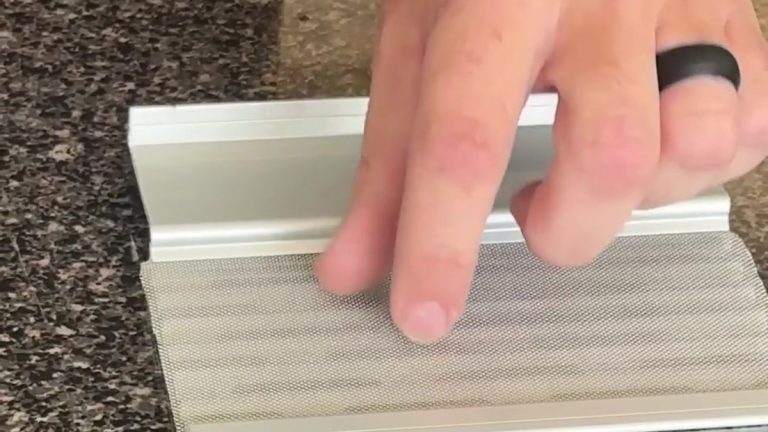
You can also go all the way to premium-type leaf screens. These come with metal, and they have a very fine metal mesh leaf screen. The metal body holds up in the weather better than thin plastic. The fine mesh is meant to stop smaller debris that would slip through a wider opening.
A tighter mesh is not automatically the better choice for every house. It is a tradeoff. The same tight weave keeps more debris on top of the screen. It can also catch material that is small enough to lodge in the mesh itself. That is why I want homeowners to look at the yard, not only at the product, before they choose premium metal gutter screens.
Why Pine Trees Can Be a Problem for Fine Mesh Gutter Screens
This is the drawback I want homeowners to hear before they buy a premium screen. If you have a lot of pine trees, you do not want to use a very fine metal mesh. The pines can still get stuck inside of the mesh.
Pine needles are thin, dry, and persistent. They do not shed in one short season the way many broad leaves do. They can lie on the roof, slide toward the eave, and work into a tight mesh. Once they are stuck, water has a harder time passing through. The screen can start to act like a filter that is filling up, rather than a cover that sheds debris.
This does not mean a home with pine trees can never use leaf protection. It means the product has to match the trees. A screen that works well on a lot with mostly large leaves may be a poor fit under tall pines. An honest look at the yard is part of choosing the right gutter screens.
How to Choose Gutter Screens for Your Property
Start with the trees, the roof, and the condition of the gutters you already have. A screen cannot make up for a gutter that is pulling away, sloping the wrong way, or dumping water next to the foundation. Fix the drainage first, then decide on leaf protection.
Ask what kind of debris actually lands on your roof. Large leaves, seed pods, and twigs call for a different approach than a constant fall of pine needles. Look at how much sun the eaves receive, because sunlight is hard on plastic. Think about how you will check the system later. If a screen is difficult to lift or easy to knock loose, it may create more work than it saves.
I would rather help a homeowner pick a modest product that fits the property. I would not recommend a fine mesh that will collect needles all year. That is the point of an honest conversation about gutter screens. There is no single best product for every Western Pennsylvania home.
Gutter Screens Still Need to Be Checked
I want to be clear about a limit that applies to every product in this category. Leaf protection can reduce how often debris fills the trough. It does not make the system maintenance-free. The International Association of Certified Home Inspectors makes the same point. Its guidance says covered gutter systems may be effective in preventing excessive debris buildup, but these are not maintenance-free.
Check from the ground first. Look for screens that have lifted, cracked, or blown out of place. Look for water spilling over the lip during a rain, dark streaks on the fascia, or soil washing out at the downspout. If you need a closer look, use a stable ladder with care, or ask a professional to inspect the system. I do not recommend climbing onto the roof to check gutter screens.
After windy days and after the heaviest leaf drop, a quick look can tell you whether the screens are still doing their job. If plastic pieces have become brittle, or if needles have packed into a fine mesh, the system needs attention. It is better to address the problem before the next storm.
Frequently Asked Questions About Gutter Screens
Do gutter screens eliminate the need to clean gutters?
No. Gutter screens can reduce how much debris reaches the trough, which may mean less frequent cleaning. They do not remove the need to check the system. Fine material can still collect on or in the mesh, and any cover can shift or fail over time.
Are plastic gutter screens a good choice?
Inexpensive plastic gutter screens with a small mesh can work for a time, especially on a house with lighter debris. The risk is that the plastic eventually dries out, cracks, becomes brittle, and blows off. I would weigh that risk against the lower cost before treating plastic as a long-term solution.
What is the advantage of premium metal gutter screens?
Premium gutter screens come with metal and a very fine metal mesh. The metal body is more stable in sun and weather than thin plastic. The fine mesh can stop smaller debris that would pass through a wider opening. That tighter mesh is also the source of the main drawback.
Should I use fine mesh gutter screens if I have pine trees?
I would not. If a property has a lot of pine trees, a very fine metal mesh is a poor fit. Pine needles can still get stuck inside the mesh. Leaf protection may still be useful, but the product should match the needles and the rest of the debris on that lot.
Can clogged or failed gutter screens lead to other damage?
Yes. If water cannot move through the gutter, it can overflow onto the fascia, siding, roof edge, or the ground beside the foundation. A cracked or missing screen can also leave the trough open to leaves again. Those problems are easier to catch when someone checks the system after storms and after the fall leaf drop.
How do I know which gutter screens are right for my home?
Look at the trees, the sun on the eaves, and the present condition of the gutters and downspouts. Then match the screen material and the mesh size to the debris that actually lands on the roof. An honest inspection of the house and the yard is a better starting point. It is wiser than buying the most expensive product, or the least expensive one, without that context.
Should I climb on the roof to inspect my gutter screens?
I do not recommend it. Start with a ground-level look for overflow, missing pieces, and staining on the fascia. If a closer view is needed, use a stable ladder carefully, or have a professional inspect the system. A roof visit is not the first step for this kind of check.
If you would like help deciding which gutter screens fit your home and the trees around it, we are ready to talk it through. You can contact Gotcha Covered Contracting through our Pennsylvania contact page.
Disclaimer: This article shares general information about residential roofing, gutters, and home exterior care. It is not legal, insurance, or financial advice, and it does not replace a professional inspection of your home. Every property, policy, and claim is different. Coverage and claim decisions are made by your insurance company under the terms of your policy, so Gotcha Covered Contracting cannot promise any coverage, approval, outcome, price, or timeline. Please review your policy and speak with your insurance provider about your specific situation.