Replacing your roof is a major investment, and most homeowners want to make sure they are getting a fair price. When you receive several roofing estimates, it is natural to look at the total cost first. If one contractor comes in significantly lower than the others, that number can be appealing.
The problem is that two roofing estimates can describe what appears to be the same project while including very different materials, installation methods, and levels of workmanship.
A contractor may be able to lower the price by choosing less expensive materials, reusing existing flashing, leaving out certain roofing components, or reducing the amount of work included in the estimate. Some of those decisions may be reasonable depending on the roof’s condition. Others could create problems that homeowners will not recognize until long after the job is finished.
At Gotcha Covered Contracting, we believe homeowners should understand what goes into a properly installed roofing system before choosing a contractor. Price matters, but it should be considered alongside installation quality, manufacturer specifications, and what is actually included in the work.
The goal is not necessarily to buy the most expensive roof. It is to make sure you understand what you are paying for.
Why Can Two Roofing Estimates Be So Different?
Roofing estimates vary for several reasons. The size and complexity of the roof, type of shingles, condition of the existing materials, labor requirements, and accessories all influence the final price.
Sometimes the difference comes down to the quality of the products being installed. Other times, it comes down to the amount of work a contractor plans to perform.
For example, one contractor might include removing the existing roofing materials, evaluating the roof decking, installing new underlayment, replacing necessary flashing, and properly finishing the roof’s edges and penetrations.
Another estimate might include the same shingles but make different allowances for those details.
Both estimates could say “complete roof replacement,” even though the actual scopes of work are not identical.
This is why reviewing the written estimate matters more than comparing the final numbers alone.
Homeowners researching residential roofing services in the Pittsburgh area should look beyond the shingle brand and ask what makes up the complete roofing system.
A lower estimate does not automatically mean poor workmanship. A higher estimate does not guarantee better results, either. The important question is whether the contractor can explain the materials, installation process, and value behind the price.
The Roofing Details That Are Easy to Overlook
Most homeowners recognize shingles as the visible part of a roof. They choose a color, compare products, and expect the finished roof to look clean and consistent.
However, shingles are only one part of the system.
Several important components work together to help move water away from the home and protect vulnerable areas.
Flashing Around Chimneys, Walls, and Roof Openings
Flashing is one of the details homeowners should specifically ask about.
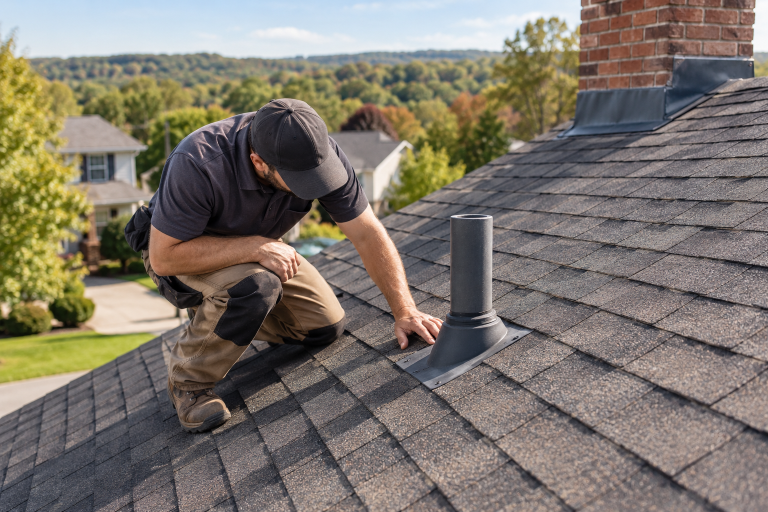
It generally consists of metal components installed where the roof meets another surface or where water needs to be directed around an opening. Common locations include chimneys, sidewalls, skylights, and roof valleys.
Flashing helps guide water away from areas where it might otherwise enter beneath the roofing materials.
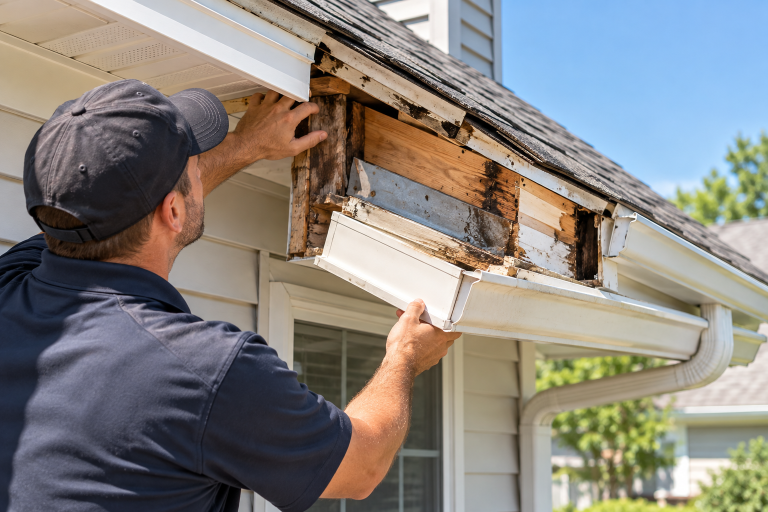
When a contractor replaces shingles, the existing flashing needs to be evaluated. Some flashing may be suitable for reuse when its condition, design, and installation allow it. Other flashing may be damaged, corroded, improperly installed, or unsuitable for the new roofing system.
Simply reusing flashing to lower a price without evaluating those conditions can leave a vulnerable area in place.
Homeowners should ask whether the roofing estimate includes new flashing, what existing components may remain, and how those decisions will be made.
This is especially relevant because water does not always enter a home directly above the place where a leak becomes visible. Our article on why roof leaks are not always where you see water explains how flashing and other roof details can contribute to confusing leak patterns.
Underlayment and Water Protection
Underlayment is installed beneath roofing materials to provide an additional layer of protection.
Depending on the roof design and applicable requirements, certain areas may also need specialized water-resistant membranes, particularly where ice or water could create additional concerns.
In Western Pennsylvania, homeowners experience freezing temperatures, snow, rain, and changing weather conditions throughout the year. Properly selected and installed roofing components help a roof manage those conditions.
A written estimate should identify the proposed underlayment and explain where additional protective materials will be installed.
Ventilation and Roof Accessories
Ventilation is another part of the roofing system that deserves attention.
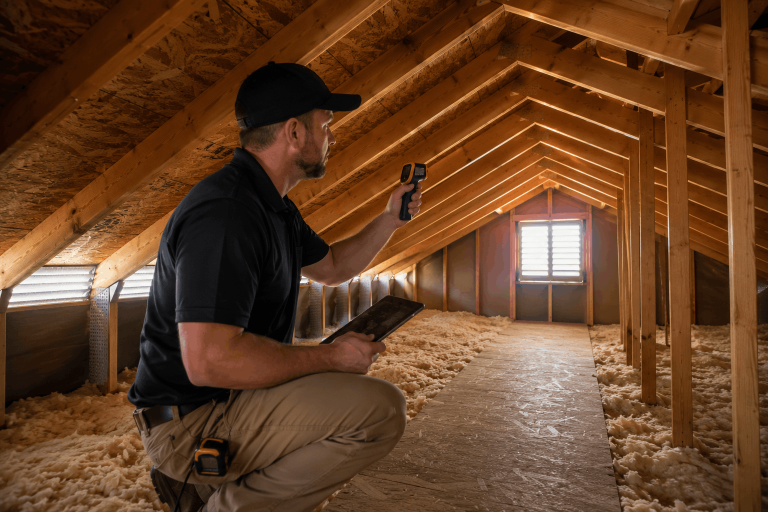
A properly designed attic ventilation system helps manage heat and moisture. The appropriate approach depends on the home’s existing construction, attic configuration, and ventilation needs.
Other accessories, including starter shingles, ridge materials, pipe boots, and drip edge, also serve specific purposes.
These components might not receive much attention during an initial sales conversation, but they deserve consideration when evaluating the project.
A quality installation involves making sure the different parts of the roof work together as intended.
Why Manufacturer Installation Specifications Matter
Roofing manufacturers develop installation instructions for their products. These instructions establish important requirements related to how the roofing materials should be applied.
Depending on the product, those requirements may address fastening, shingle placement, roof slope, flashing, underlayment, and other installation details.
These instructions are not simply suggestions that a contractor can disregard to save time or reduce material costs.
For example, the Owens Corning Oakridge shingle installation instructions describe specific application requirements, including flashing and fastening details. The manufacturer also directs installers to check applicable local building codes.
Different products can have different requirements, which is why contractors need to follow the instructions for the actual materials being installed.
At Gotcha Covered Contracting, following manufacturer specifications is an important part of our approach to roofing.
There are two practical reasons for that emphasis.
First, homeowners should receive the materials and installation quality they agreed to purchase. If the project calls for a particular roofing system, it should be installed according to the applicable requirements.
Second, proper installation can be important if questions about product performance or potential manufacturing defects arise in the future.
No roof is immune to every possible problem. However, following the correct installation instructions helps avoid preventable issues and provides a stronger foundation for evaluating a concern if one develops.
How Installation Quality Can Affect Your Roofing Warranty
Roofing warranties can be confusing because homeowners often hear a general warranty term without receiving a clear explanation of what it covers.
A manufacturer warranty and a contractor workmanship warranty are not necessarily the same thing.
A manufacturer’s limited warranty generally addresses qualifying product defects under the terms of that warranty. A contractor’s workmanship warranty addresses certain installation-related issues under the contractor’s written coverage.
Some manufacturers also offer enhanced roofing system warranties with additional eligibility requirements.
The Owens Corning roofing warranty information provides an example of how coverage can differ depending on the products used, contractor qualifications, and selected warranty option.
This distinction matters because a homeowner should not assume that every problem discovered after installation will automatically be covered by the shingle manufacturer.
If shingles were installed incorrectly, the cause of the problem may involve workmanship rather than a manufacturing defect. That difference can affect how the concern is handled.
Likewise, even when a manufacturing defect is confirmed, the available remedy depends on the warranty’s specific terms, limitations, and exclusions.
Before agreeing to a roof replacement, ask your contractor to explain what manufacturer warranty applies, what workmanship coverage they provide, and what documentation you will receive after installation.
A contractor willing to discuss those details clearly is helping you make a better-informed decision.
What Does a Proper Roof Replacement Estimate Include?
An estimate should explain more than the cost of the shingles and the total labor charge.
A homeowner should be able to understand the proposed work without needing to become a roofing expert.
A detailed roof replacement estimate should address the relevant items, including:
-
The specific shingle manufacturer and product being proposed
-
Removal and disposal of existing roofing materials
-
Inspection of the roof decking and how necessary repairs will be handled
-
Underlayment and any required ice and water protection
-
Flashing replacement or documented plans for evaluating existing flashing
-
Drip edge, starter shingles, ridge components, and necessary accessories
-
Ventilation considerations when applicable
-
Installation requirements and cleanup
-
Written manufacturer and workmanship warranty information
-
How unexpected conditions and additional work will be approved
Not every roof needs exactly the same materials or procedures. An older home with multiple chimneys, dormers, and roof transitions may require different attention than a simpler roof with fewer openings.
The estimate should reflect the actual house.
Homeowners who want additional information about pricing can also review our guide to new roof costs in Pittsburgh. That resource addresses pricing considerations, while the focus here is on understanding the installation details behind a contractor’s proposal.
The Difference Between Saving Money and Cutting Corners
There is nothing wrong with wanting an affordable roofing project.
A contractor may be able to offer a competitive price because of purchasing arrangements, efficient scheduling, experienced crews, or careful project planning.
Those factors are different from lowering the price by omitting necessary work.
Consider two situations.
In the first, a contractor provides a competitive estimate, explains the materials, identifies the flashing that will be replaced, and describes the installation standards they follow.
In the second, a contractor offers a significantly lower number but cannot clearly explain what is included. When asked about flashing or underlayment, the answers are vague.
The first situation gives the homeowner useful information for making a decision. The second leaves important questions unanswered.
It does not mean the second contractor is necessarily planning a poor installation. It does mean the homeowner needs more information before making a commitment.
Good value is about getting appropriate materials, workmanship, and a clear scope of work for a reasonable price.
A roof should be evaluated as a complete system rather than a collection of shingles.
Questions to Ask Before Accepting a Roofing Estimate
Most homeowners do not purchase a new roof very often. It is reasonable to ask questions and expect clear answers.
One of the most useful questions is whether the contractor plans to replace the existing flashing.
If some flashing will remain, ask why it is appropriate to reuse and whether the manufacturer permits that approach for the proposed system.
Another important question is whether the contractor follows the installation requirements for the selected shingle product. The answer should be more specific than saying the crew has been installing roofs for years.
You can also ask what happens if damaged decking is discovered after the old roof is removed. Sometimes conditions beneath the shingles are not fully visible before removal. Understanding how additional work will be documented and authorized can help avoid confusion.
Ask about both manufacturer and workmanship warranties, including who to contact if a problem arises.
Finally, make sure you understand the written contract and have verified the contractor’s registration and insurance information as applicable.
The Pennsylvania Office of Attorney General’s home improvement contractor registration resource explains the state’s registration program and offers information for homeowners. Registration is not a government endorsement of a contractor’s workmanship.
The purpose of these questions is not to challenge a contractor unnecessarily. It is to establish clear expectations before work begins.
Why Roofing Installation Details Matter in Western Pennsylvania
Homes throughout Western Pennsylvania experience a wide range of weather conditions.
Heavy rain, wind, snow, ice, and temperature changes all place different demands on exterior building materials.
A roof needs to manage water during a summer storm and perform through freezing winter conditions. The details around chimneys, roof edges, valleys, and other transitions deserve particular attention because they are part of how the overall system handles moisture.
In communities near Robinson Township and throughout the Greater Pittsburgh area, homes also vary considerably in age, construction style, and roof complexity.
That means a roofing solution suitable for one property may not be appropriate for another.
For example, an older home may have existing flashing or ventilation conditions that deserve additional evaluation. A more recently constructed property may have a different set of needs.
Neither situation should be addressed with assumptions.
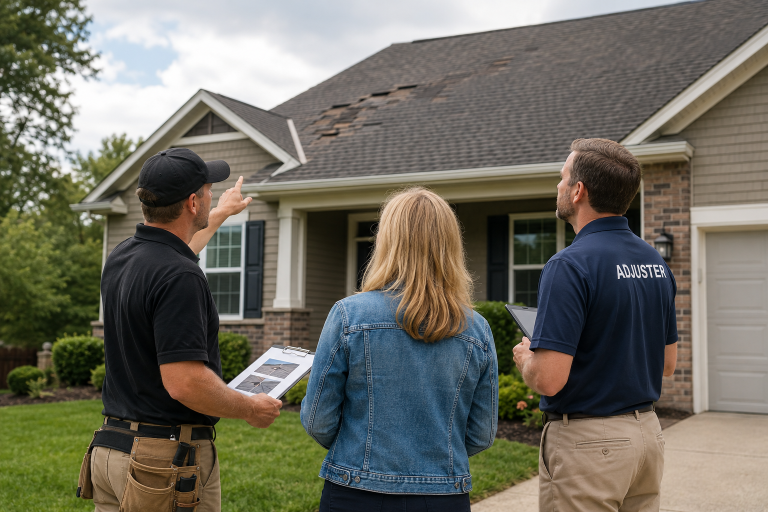
A professional inspection can help identify the condition of the existing roof and explain which components need attention before a replacement estimate is finalized.
Gotcha Covered Contracting serves homeowners primarily within approximately a 60-mile radius of Robinson Township, with select service into areas of Ohio and West Virginia.
Our focus is on helping property owners understand the work their home needs, not simply presenting a price without context.
How to Compare Roofing Contractors Without Choosing Based on Price Alone
If you have several roofing estimates in front of you, start by asking whether they describe the same project.
Compare the proposed materials, tear-off work, decking allowances, flashing, ventilation, protective membranes, and warranty terms.
If one estimate is missing information, request clarification in writing.
A contractor who takes time to explain the differences can make the decision much easier.
It is also worth considering how the contractor communicates during the estimating process. Are your questions answered directly? Does the contractor explain what was found during the inspection? Are you given enough information to understand the recommendation?
Those interactions provide insight into how the company approaches its work.
You do not need to choose the highest estimate to get a good roof. You should feel confident that the contractor you select has provided a complete, understandable proposal and intends to follow the appropriate installation requirements.
The right decision comes from comparing the work, not just the price.
Frequently Asked Questions
Is the cheapest roofing estimate always a bad choice?
No. A lower estimate may reflect legitimate differences in purchasing costs, scheduling, or business operations. The important thing is to confirm that the proposed materials, installation procedures, and scope of work meet the needs of your home.
Should roof flashing always be replaced during a roof replacement?
Not necessarily. The decision depends on the condition and type of flashing, the roof design, applicable installation requirements, and whether the existing components can be properly incorporated into the new system. Damaged or unsuitable flashing should not be retained simply to save money.
Can improper roof installation affect a manufacturer warranty?
Yes. Manufacturer warranties have specific terms and exclusions, and installation errors may affect coverage. Homeowners should review the actual warranty documents and confirm that the proposed installation meets the relevant requirements.
What is the difference between a manufacturer warranty and a workmanship warranty?
A manufacturer’s limited warranty generally addresses qualifying material defects. A contractor workmanship warranty addresses certain installation-related problems. The coverage, length, exclusions, and remedies vary, so both should be reviewed before the project begins.
Why do roofing contractors sometimes provide very different prices?
Differences may reflect roof measurements, material selections, labor, installation complexity, accessories, flashing work, ventilation, disposal, and other project details. Reviewing itemized proposals is the best way to identify what accounts for the difference.
Can a new roof look good even if installation details were skipped?
Yes. Certain installation issues may not be visible from the ground after the work is complete. Flashing, underlayment, fastening, and other components can affect performance even when the finished shingles appear attractive.
How can I tell whether my roofing estimate is complete?
Ask for a written scope identifying the roofing materials, removal work, flashing, underlayment, accessories, ventilation considerations, cleanup, warranty terms, and process for unexpected repairs. A contractor should be willing to explain any items that are unclear.
Make an Informed Decision Before Replacing Your Roof
Replacing a roof should give you confidence in the work being performed and the investment you are making.
A reasonable price is important, but understanding the installation is just as valuable.
At Gotcha Covered Contracting, we emphasize honest inspections, quality workmanship, clear communication, and installing roofing systems according to applicable manufacturer specifications.
If you are comparing roofing estimates or have questions about what your roof actually needs, schedule a consultation with Gotcha Covered Contracting.
A straightforward conversation can help you understand the differences between roofing proposals and make a decision that fits your home.
The lowest roofing estimate is not always the best value. Differences in materials, flashing, underlayment, installation methods, and warranty terms can affect a roof’s long-term performance. Homeowners should compare written scopes of work, confirm that manufacturer installation requirements will be followed, and understand what each contractor includes before making a decision.